| Additional Information |
Colchicum and Crocus resemblance
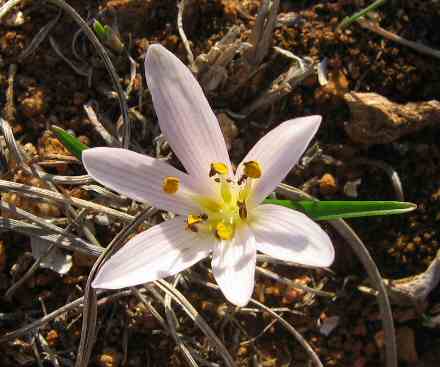
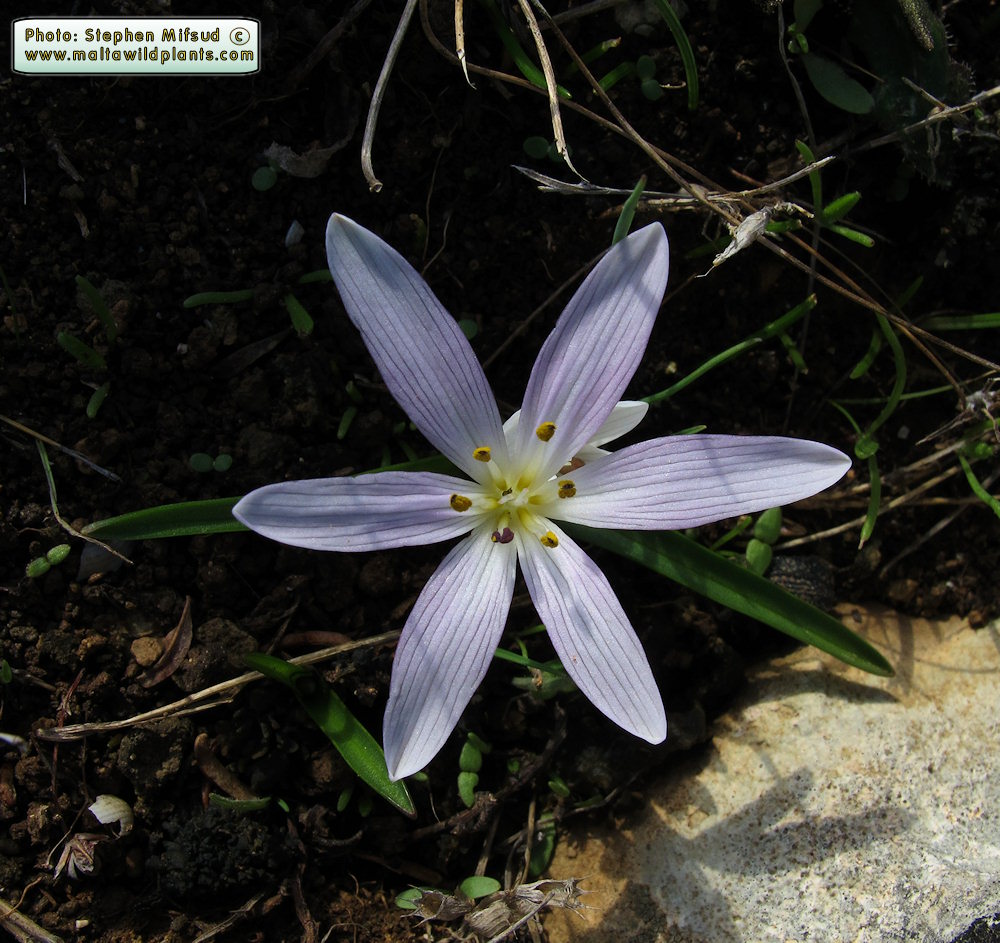
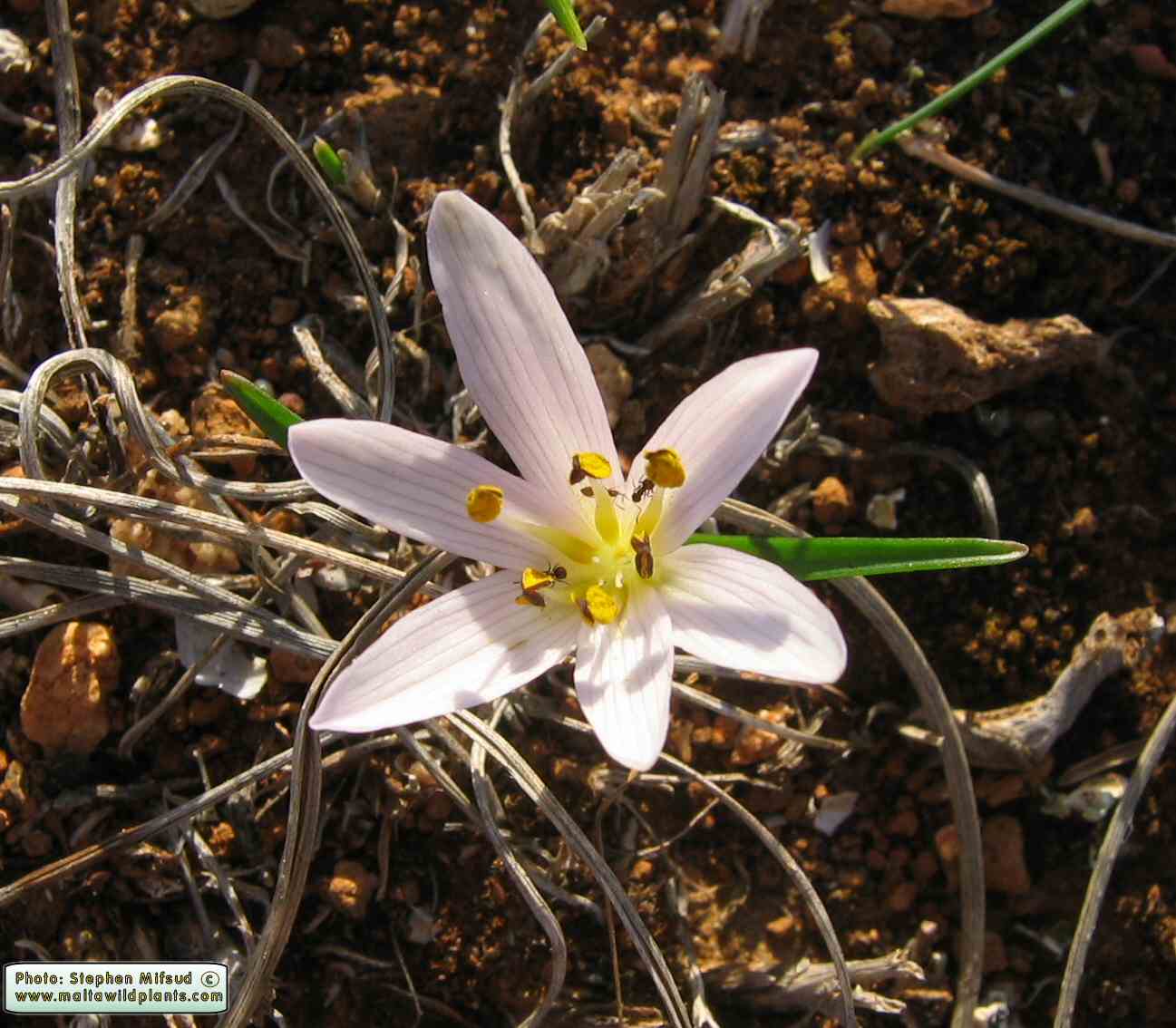
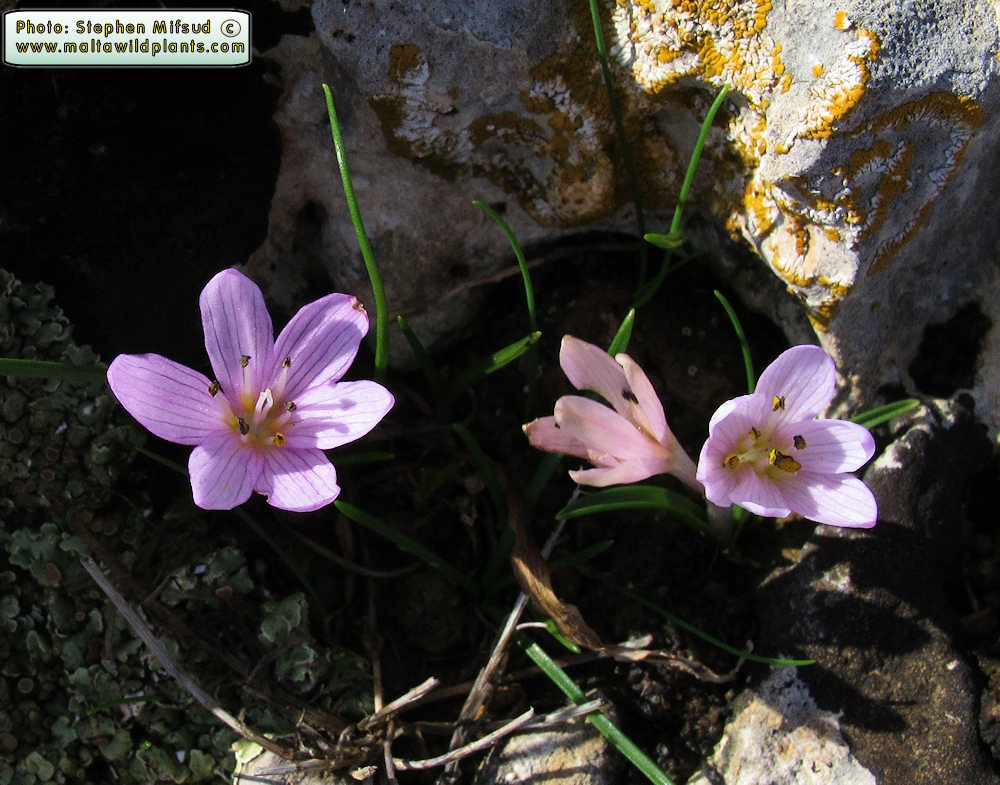
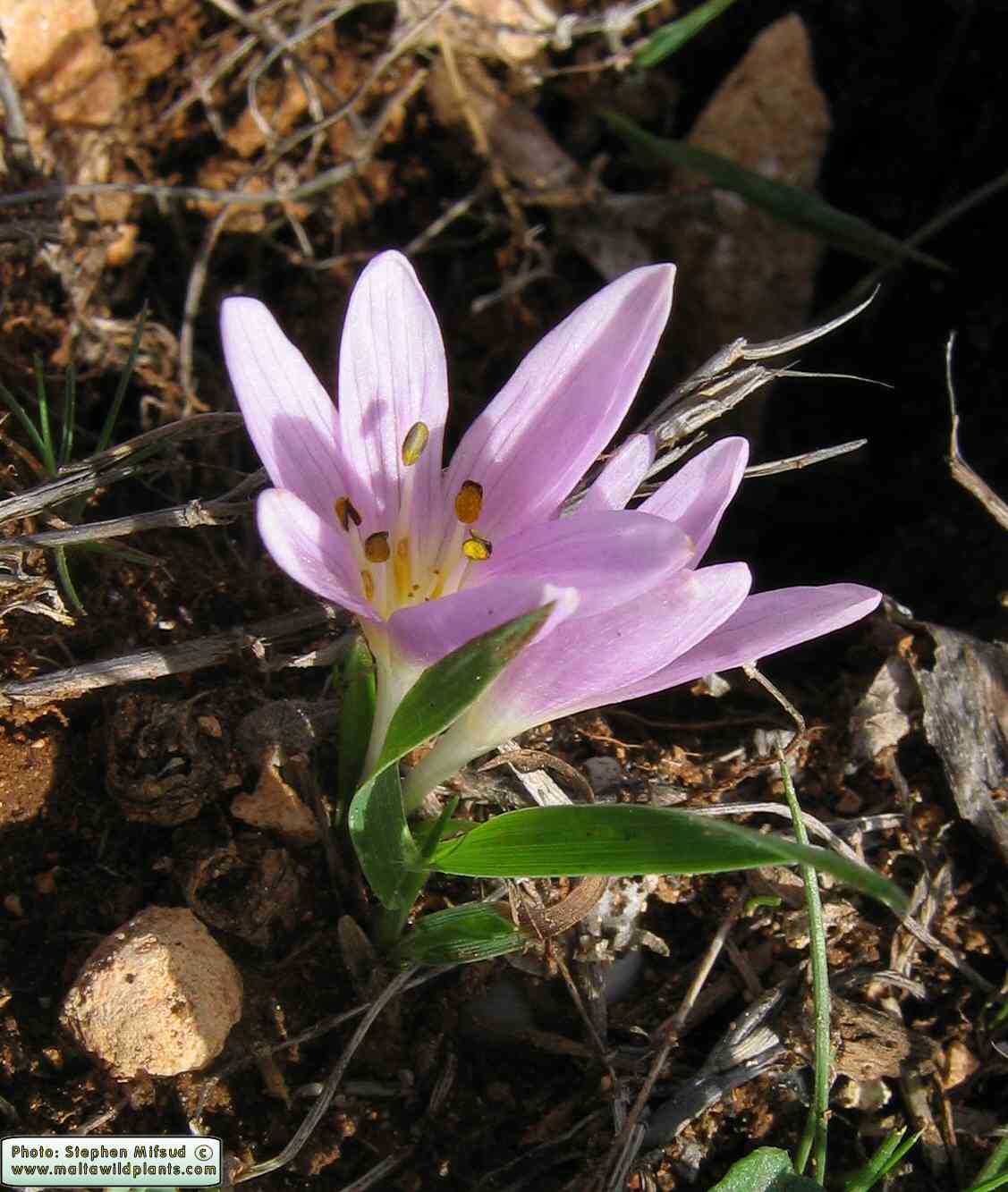
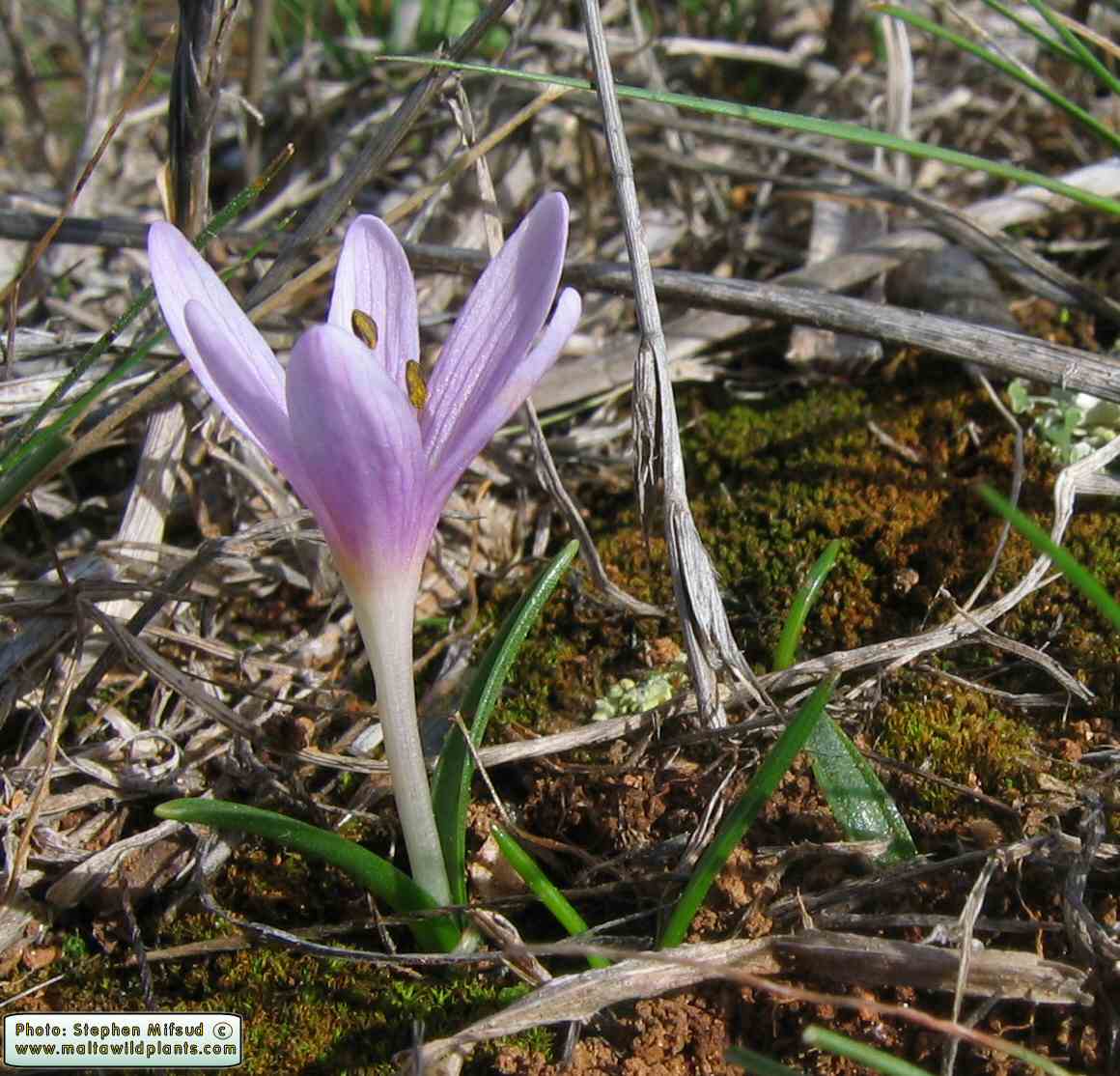
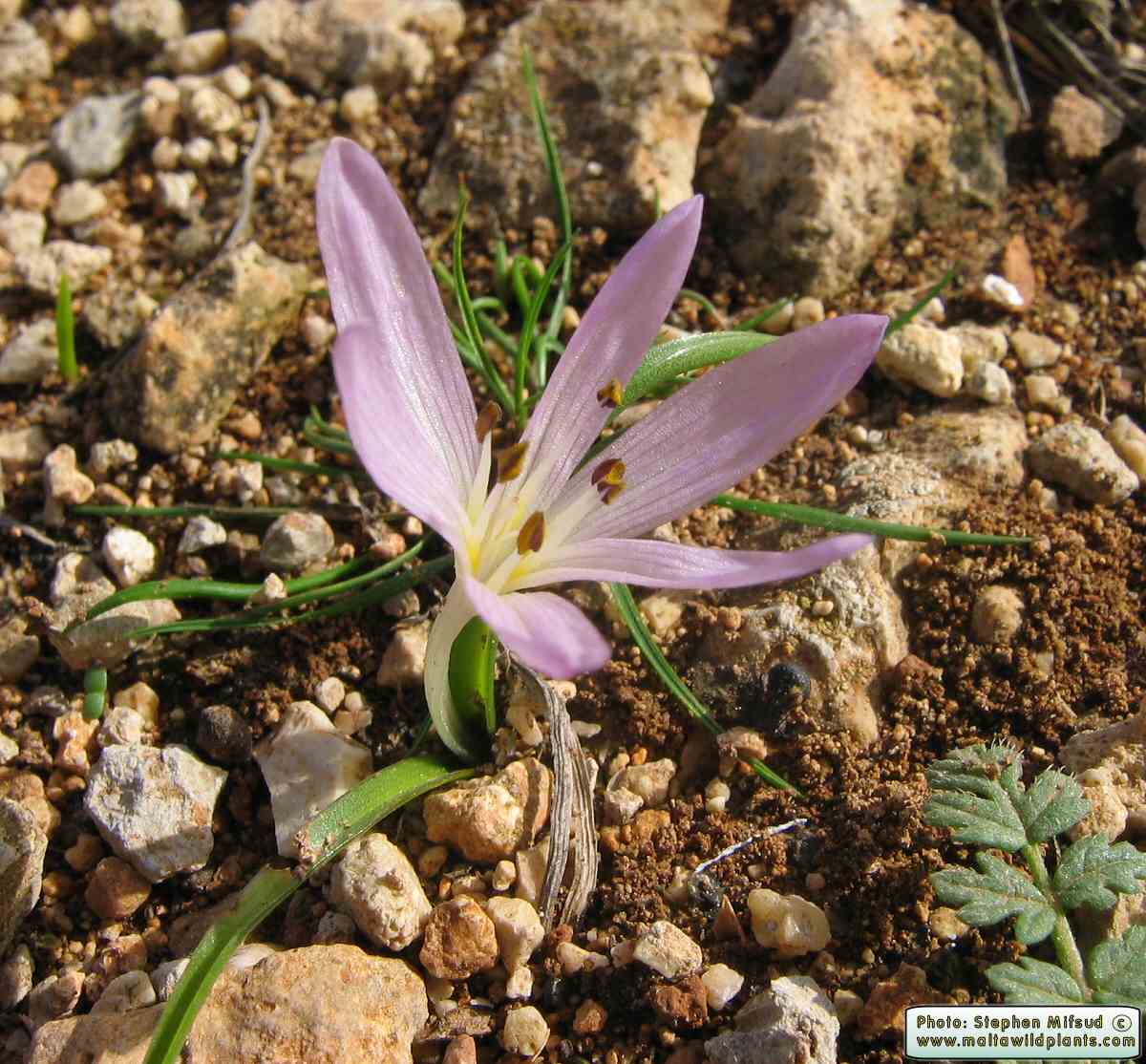
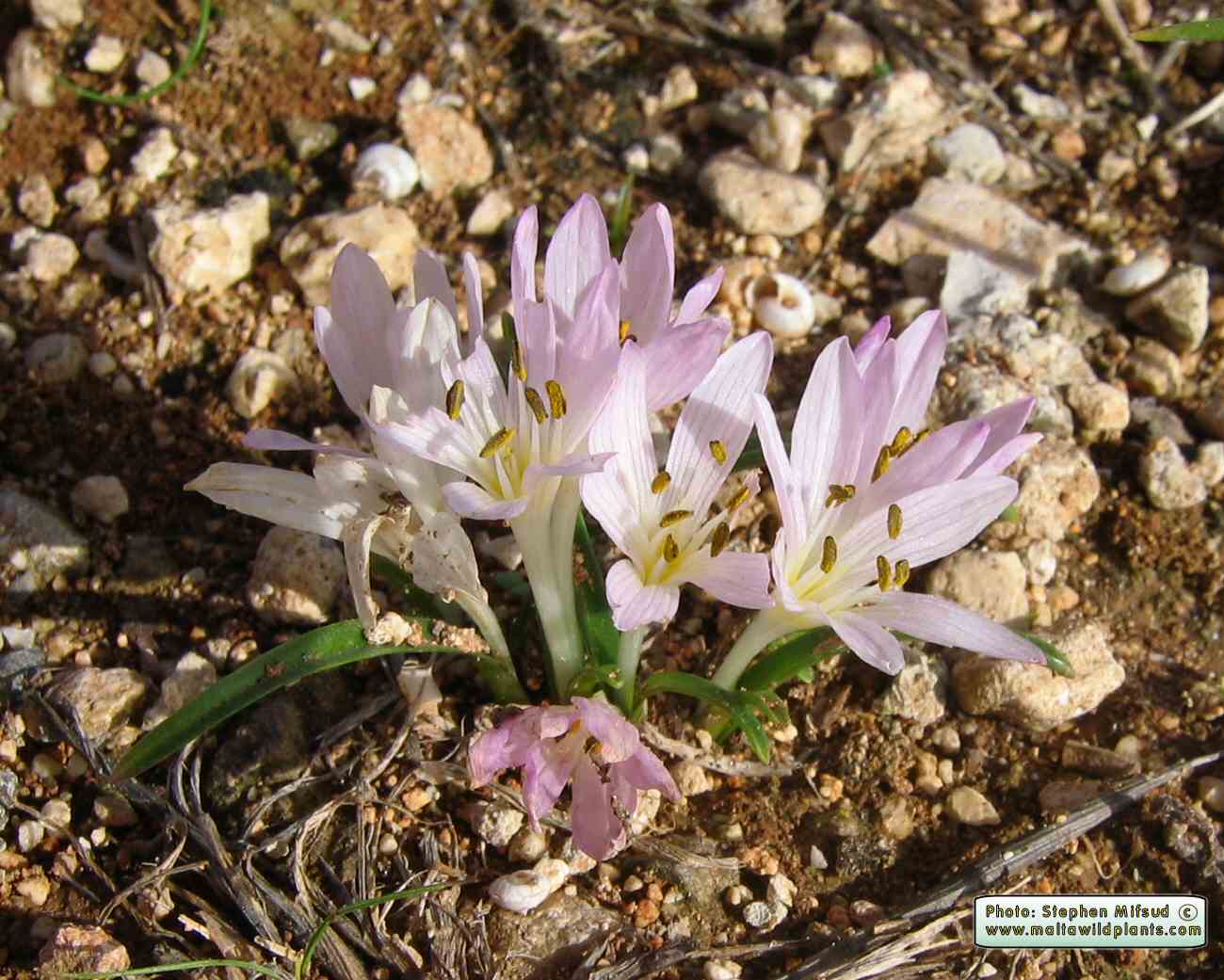
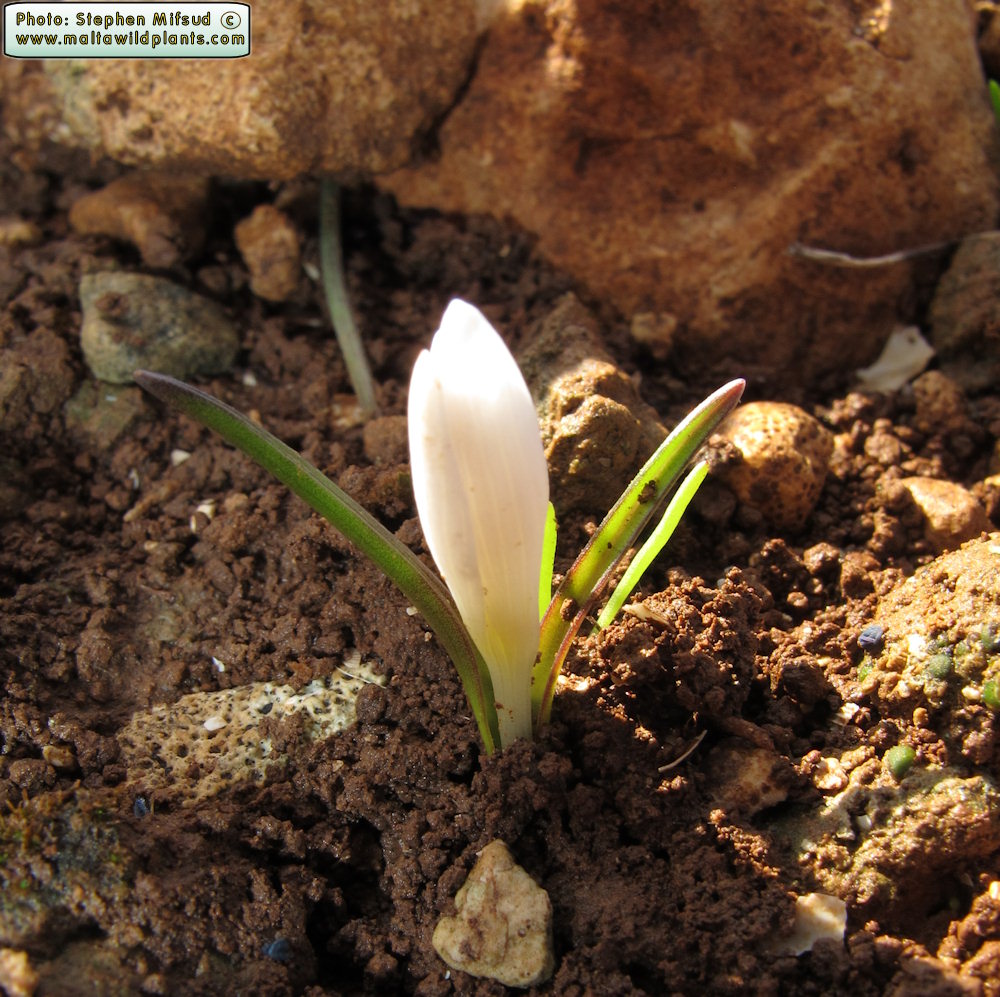
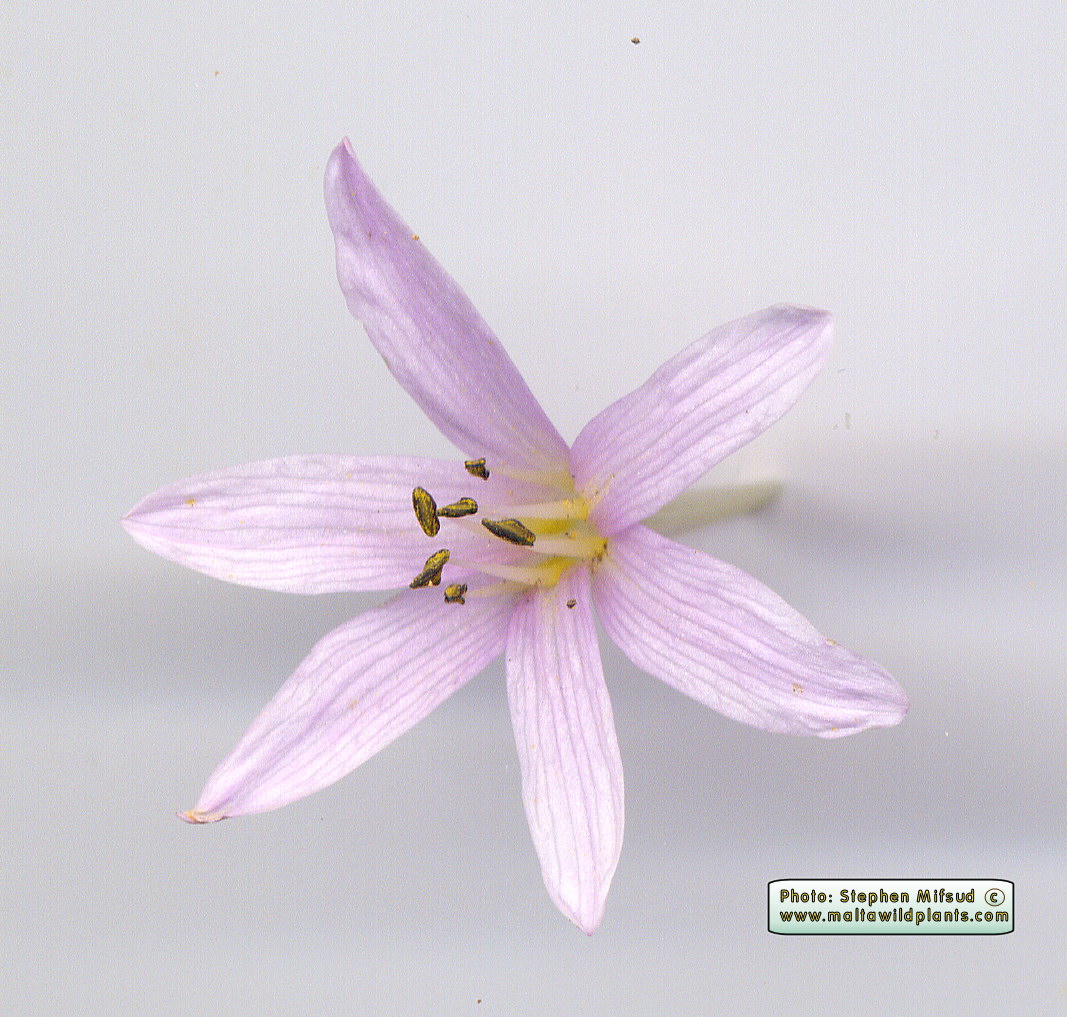
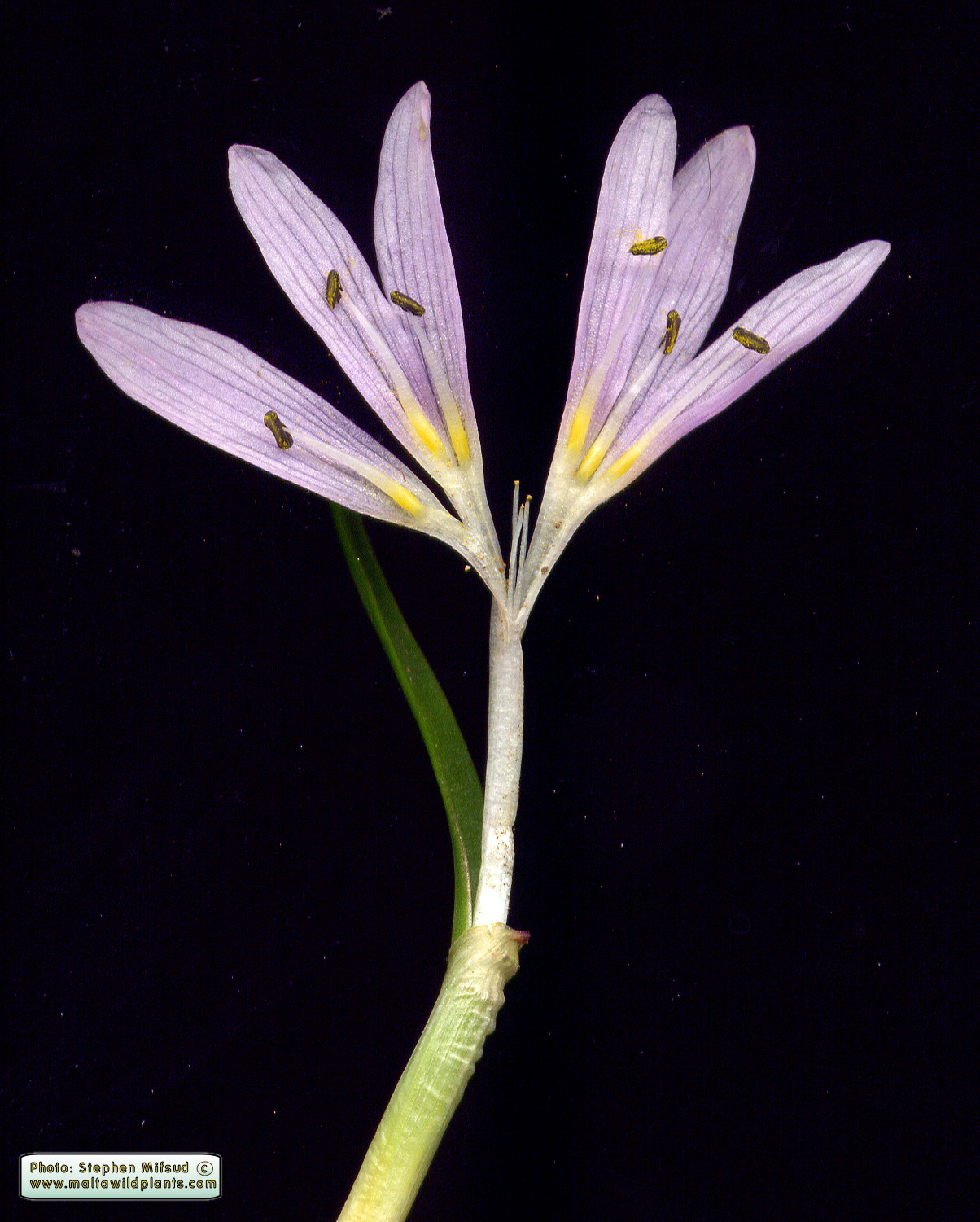
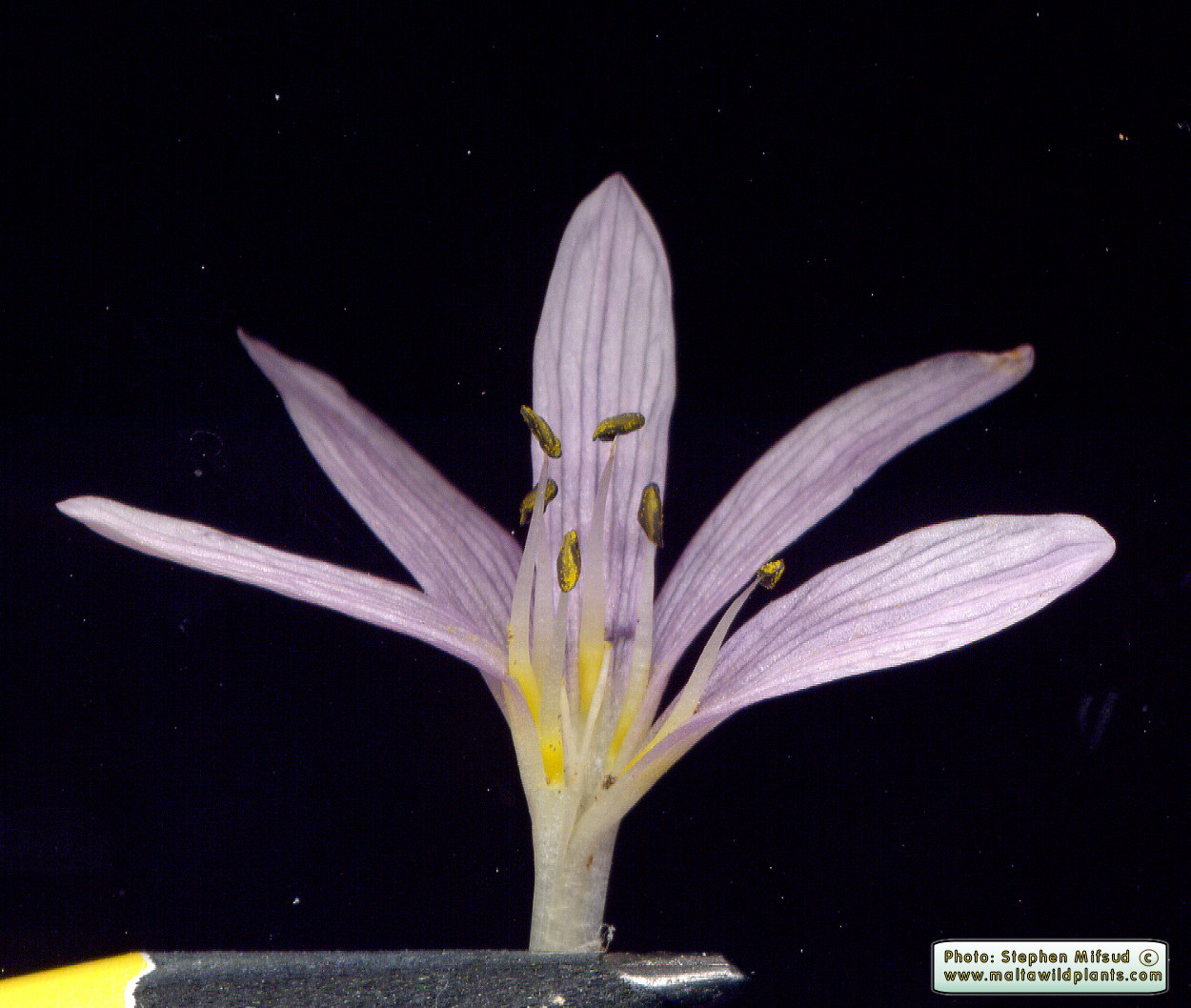
At first glance Colchicum and Crocus species may look very similar and can be associated together. They are both violet, purple or lilac flowered monocots but the Crocus are part of the Iridaceae (Iris) and the Colchicum are derived from the Liliaceae (Lily). This fact of confusion is seen in the common name given to the well known Colchicum autumnale which is known as Autumn Crocus. The truth is that it is not a Crocus at all. [SM] Colchicum generally resembles to an oversized, fall-blooming crocus, but in fact the two are quite distant both genetically and ornamentally. [WWW-83]
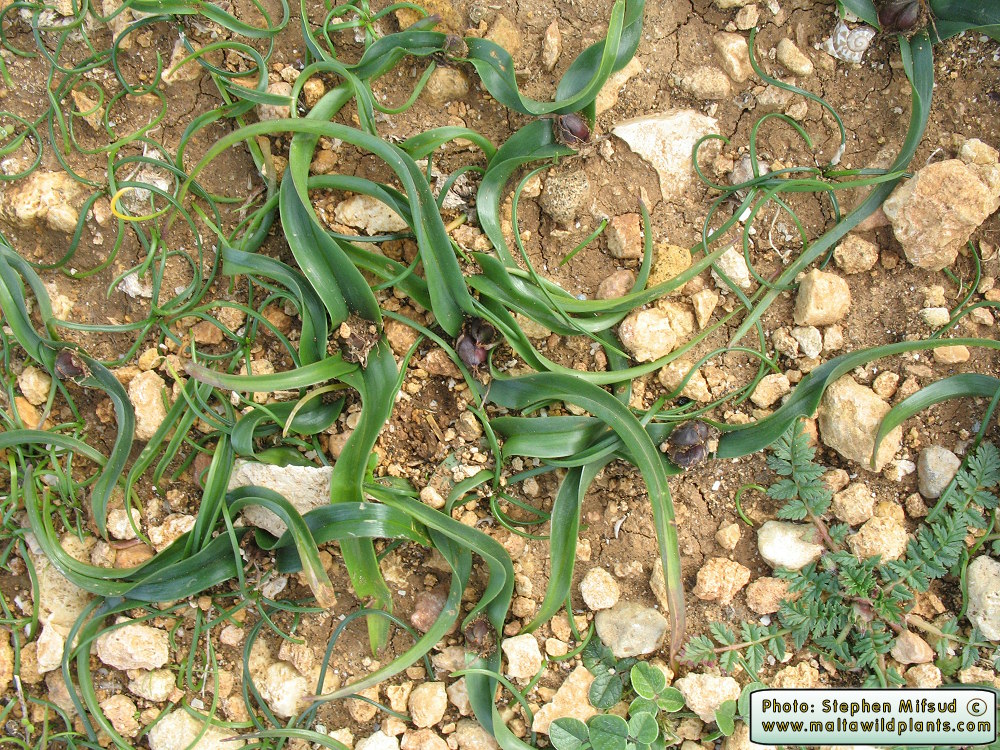
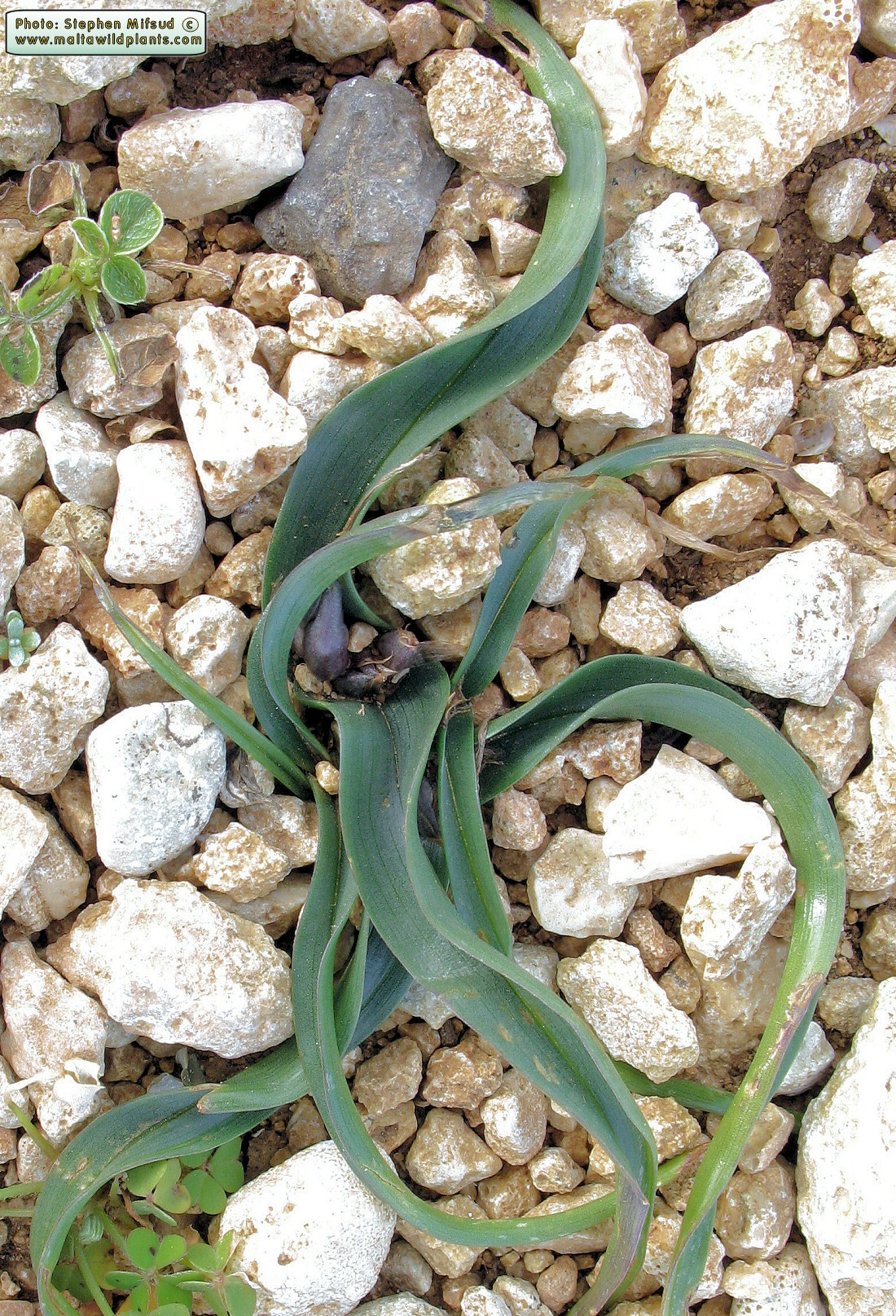
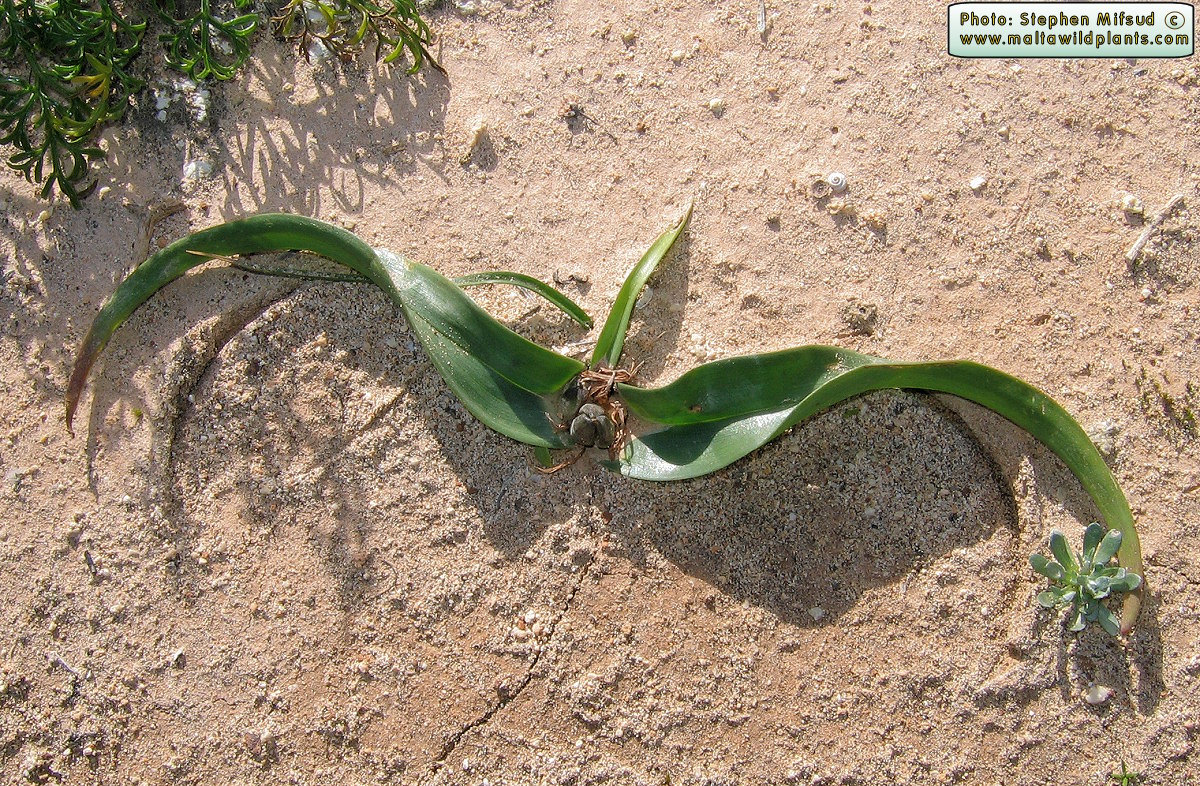
Colchicum cupanii var. pulverulentum
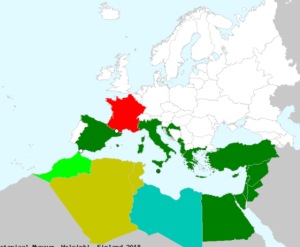
A variation of C. cupanii exist and is described similar but differing from the type by undulate leaf margins and they are minutely hairy. It is found in Tunesia. [WWW-82]
Colchicum species possess Colchicine
Colchicum species contain an important substance used as a drug but is also highly toxic at high doses. [274] The main source of Colchicine is the plant species Colchicum autumnale (autumn Crocus or Meadow saffron) but is likely that C. cupanii also possess colchicine, perhaps in less concentration. For this purpose, account of colchicine is given below. [SM]
Activities of Colchicine
Colchicum species were considered by the ancients as powerful toxins but know it is used for medicine [274] . The activities of Colchicine are numerous and the following are described by A.R.S. - [WWW-66] :
AntiBehcet's, AntiHIV (Dosage: EC50=0.01 uM), AntiPaget's (Dosage: 600 ug/3x/day/man), Antiamyloidosic, Antiarthritic, Antibacterial, Anticirrhotic (Dosage: 1-2 mg/man/day), Antidermatitic, Antierythemic, Antiherpetic, Antiinflammatory, Antileukemic, Antimalarial (Dosage: 500 ug/10x/day/man), Antimelanomic (Dosage: ED50=0.18 ug/ml), Antimeningitic (Dosage: 500 ug/2x/man/day), Antimitotic (Dosage: 2 mg/kg scu mus), Antipericarditis (Dosage: 500-1,000 ug/man/day), Antipodagric (Dosage: 3-6mg man/day), Antipolyserositic (Dosage: 500-600 ug/2-3 x day/man), Antipsoriac, Antipyretic, Antirheumatic, Antisarcomic (Dosage: ED50=0.047 ug/ml), Antithrombocytopenic (Dosage: 600 ug/2-4x/man/day), Antitrypanosomic, Antitubulin (Dosage: IC50=2.4 uM), Antitumor - Breast (Dosage: ED50=0.022 ug/ml), Antitumor - Colon (Dosage: ED50=0.0071 ug/ml), Antitumor - Lung (Dosage: ED50=0.043 ug/ml), Antivasculitic (Dosage: 600 ug/2x/man/day), CNS-Paralytic, CNS-Stimulant, Carcinogenic, Cardioactive (Dosage: 15 mg/kg), Cytotoxic (Dosage: IC50=0.018 uM), Emetic, Hepatoprotective, Hypertensive, Irritant, Purgative, Respiradepressant, Sympathomimetic, Uricosuric.
Effect of Colchicine on genetic material
If colchicine is applied to seeds or growing points of plants has the effect of doubling the chromosome numbers of young dividing cells. It effects the division of the cell nuclei so that the chromosomes do not seperate to produce cells with multiples of the normal number of chromosomes. It is of great importance in plant breeding for it causes permanent genetical changes in the tissues which may be of value in agriculture and horticulture research. [273, 274] .
Toxicity of Colchicine
The plant contains the highly toxic substance - Colchicine which its lethal dosage is given as follows [WWW-66] :
- LD50=1.6 mg/kg (ivn rat)
- LD50=4.13 mg/kg (ivn mus)
- LDlo=0.186 (orl hmn)
- LDlo=7 mg/man
- LD50=0.13 mg/kg(oral cat)
- LD50=66.6 mg/kg (oral mus)
- LDlo = Lowest published toxic dose
- LD50 = Lethal dose, 50 percent kill
Other lethal doses and detailed toxicity can be seen in the following reports:
1) National Institute for Occupational Safety and Health
2) www.hazard.com
As in Colchicum autumnale, the toxic compound is likely to be found in all plant parts, especially in the seeds and corm. For adults, a dose of only 5 grams of Colchicum seeds can prove fatal. For a child, the lethal dose is 1 to 1.5 grams. A mere 200 milligrams of the active ingredient Colchicine is sufficient to cause death. [WWW-81]
The first signs of poisoning appear 3 to 6 hours after intake of a toxic amount, when the victim develops a burning feeling in his mouth, has difficulty swallowing, and begins to experience intense thirst. After 12 to 14 hours, nausea and vomiting set in, accompanied by severe stomach pains, diarrhea, bladder spasms, blood in the urine, a fall in blood pressure, and, eventually, progressive paralysis. Death follows from exhaustion, asphyxiation, and circulatory collapse. [WWW-81]
Bedford Laboratories have produced a medicine in the form of injections based on pure Colchicine to treat gout. In the warnings and precautions leaflet supplied with the medicine they give a good account about Colchicine and its toxicity. They state that the lethal dose of Colchicine is estimated to be 65mg per person, though the lowest dosage reported to have been fatal for a human was as low as 7mg. You can read the whole suppliment document about Colchicine injections USP by Clicking here. [WWW-80]
A hazard fact sheet of colchicine is postulated by New Jersey Department of Health and Senior Services and can be read by (clicikng here)
There are several reports describing cases of death due to poisoning from Colchicum species or other plants which have colchicine. Below are some abstracts of such reports and studies:
- Case report: fatal poisoning with Colchicum autumnale (Miran Brvar et al. ) (full report)
- Colchicine poisoning by accidental ingestion of meadow saffron (Colchicum autumnale): pathological and medicolegal aspects. (Michael Klintschar et al.) (full report)
- Accidental plant poisoning with Colchicum autumnale: report of two cases. (Brncic N et al.)
- Colchicine poisoning resulting from accidental ingestion of meadow saffron - Colchicum autumnale. (Sannohe S. et al.)
- Colchicine poisoning by accidental ingestion of the bulbs of Sandersonia aurantiaca (Fujita K. et al.)
- Acute poisoning with autumn crocus Colchicum autumnale L. (Brvar M et al.)
- Accidental poisoning with autumn crocus (Gabrscek L et al.)
Adverse reactions
These are usually gastrointestinal in nature and consist of abdominal pain, nausea,
vomiting, and diarrhea. The diarrhea may be severe. The gastrointestinal symptoms
may occur even though the drug is given intravenously; however, such symptoms are
unusual unless the recommended dose is exceeded.
Prolonged administration may cause bone marrow depression, with agranulocytosis,
thrombocytopenia, and aplastic anemia. Peripheral neuritis and depilation have
also been reported.
Myopathy may occur in patients on usual maintenance doses, especially in the
presence of renal impairment. [WWW-80]
Signs, Symptoms and Treatments of Colchicum
Symptoms, the onset of which may be delayed, include nausea, vomiting, diarrhea, abdominal pain, hemorrhagic gastroenteritis, and burning
pain in the throat, stomach, and skin. Fluid extravasation may lead to shock.
Myocardial injury may be accompanied by ST-segment elevation, decreased contractility,
and profound shock. Muscle weakness or paralysis may occur and progress to
respiratory failure. Hepatocellular damage, renal failure, and lung parenchymal infiltrates
may occur and, by the fifth day after overdose, leukopenia, thrombocytopenia,
and coagulopathy may also occur. If the patient survives, alopecia and stomatitis may
be experienced. There is no clear separation of nontoxic, toxic, and lethal doses of
colchicine. [WWW-80]
According to reference [326] the symptoms and treatments of Colchicine are as follows:
Symptoms: Buming in mouth and throat with dryness and difficult swallowing; nausea and incessant vomiting and purging; pulse small and irregular, pupils dilated, great
prostration.
Treatment: Lavage of stomach, castor oil, tannin, demulcents; stimulants, strychnine, caffeine, morphine and atropine.
Description of Colchicum by the Eclectic Materia Medica, Pharmacology and Therapeutics.
Source:
The dried (I) root and (II) seed of Colchicum autumnale, Linné (Nat. Ord. Liliaceae.) England and other parts of Europe. Dose, Corm, 1 to 5 grains; seed, 1 to 5 grains.
Common Names:
I. Colchicum Corm (Colchici Cormus); II. Colchicum Seed (Colchici Semen).
Principal Constituent:
The powerful alkaloid Colchicine (see below.)
Derivative:
Colchicina, Colchicine. A very toxic alkaloid occurring as pale yellow scales or powder, practically odorless. It should not be tasted. Soluble in water. The
salicylate is sometimes employed. Dose, 1/300 to 1/100 grain.
Preparation:
Specific Medicine Colchicum. Dose, 1 to 10 drops.
Specific Indications:
Acute gout; rheumatism, without much fever, occurring in gouty individuals; tearing pain, aggravated by heat.
Action and Toxicology:
Upon the skin and mucosa colchicum is irritant, causing smarting and redness, sneezing and conjunctival hyperemia. Small doses increase the
secretions of the skin, kidneys, liver, and bowels. Large doses are dangerous, producing gastric discomfort, nausea and vomiting and purging, and violent peristalsis with much
intestinal gurgling. Poisonous doses produce a violent gastro-enteric irritation, with symptoms much like those of cholera-agonizing griping, painful muscular cramps in the legs and feet, large but not bloody evacuations of heavy mucus and serum, thready pulse, collapse, and death. Toxic doses are almost sure to kill in spite of efforts to save life, the patient dying a slow, painful, and agonizing death, the final act of which is respiratory paralysis. Consciousness remains to the end.
The reputed antidote is tannin freely administered with plenty of water and followed by the use of emetics or the stomach pump. Opium may be given to relieve pain,
atropine to sustain breathing, and artificial heat to maintain bodily warmth.
Therapy:
Colchicum is an extremely dangerous medicine and should be used with the greatest of caution. It is the remedy for acute gout, temporarily giving quick relief if
administered short of purgation. For some unknown reason attacks recur more frequently when colchicum has been used, though it almost magically relieves the paroxysms.
It is useful for disorders depending upon a gouty diathesis, though it is less effectual in chronic gout than in the acute form. In rheumatism, pure and simple, it usually has little or no value, though we have had excellent results after failure with the usual antirheumatics, in cases where pain persisted in one part for longer periods than usual, in acute articular rheumatism with but little fever. These cases resembled gonorrheal arthritis and were accompanied by a leucorrheal discharge, but were not gonococcic. In most cases the fingers, wrists, and abdomen were the most painful locations. Some have advised it in so-called chronic rheumatism when the patient is known to have occasional gouty attacks. We have seen it do good in rheumatoid arthritis; a condition much more prevalent in this country than genuine gout, a disease rarely encountered in America. In rheumatoid headache and in rheumatic iritis colchicum is sometimes of value when occurring in one with swollen joints, with or without effusion, and attended by tearing, muscular pain, aggravated by heat. Subacute and chronic sciatica are asserted to have been relieved by colchicum when the pain is sharp, shooting, tearing, or dull, from back to hips and down the legs, fever being absent. In rheumatic conditions colchicine salicylate in doses of the 1/128 grain is often more serviceable than colchicum.
Information supplied by Henriette's Herbal [WWW-18]
Description of Colchicum by The British Pharmaceutical Codex.
Description:
Colchicum corm is obtained from the meadow saffron, Colchicum autumnale, Linn. (N.O. Liliaceae), a plant distributed over Central and Southern Europe and common in parts of England. It is also official in the U.S.P., when it should contain not less than 0.35 per cent. of colchicine. It should be collected in the early summer, and, for use in the dried state, stripped of its coats, sliced transversely, and dried at a temperature not exceeding 65°. The fresh corm is about 3 centimetres long and 25 millimetres broad, bluntly conical in shape, flattened on one side and enveloped in an outer, brown, and inner, reddish-yellow, membranous coat. The interior is white and fleshy, exuding when cut a bitter juice, milky from the presence of starch grains. The odour is disagreeable. The dried drug occurs in whitish slices, 2 or 3 millimetres thick, yellowish on their outer surface, and reniform in outline. They break with a short starchy fracture, are odourless, but have a bitter taste.
Constituents:
The chief constituent of colchicum corm is the yellow amorphous alkaloid colchicine, of which it contains from 0.5 to 0.6 per cent. Starch is also present.
Action and Uses:
olchicum is a specific in acute gout. It relieves the pain and inflammation, cutting short the attack, but does not increase the quantity of the urine or the
amount of uric acid excreted (see also Colchicina). Colchicum may cause considerable gastro-intestinal irritation with vomiting and purging. Its use for long periods is not
recommended, owing to its paralytic action upon the central nervous system. The dried corm in powder may be administered in pills or the drug may be prescribed as
Vinum Colchici or Extractum Colchici. Colchicum is an ingredient of many advertised gout remedies. The use of henbane or belladonna with colchicum removes the
tendency to intestinal irritation, since colchicum, like jaborandi, excites the vagal nerve endings in the gut, and these same nerves are paralysed by atropine. Generally,
preparations of colchicum corm are best given with a purge. In cases of poisoning by colchicum, the stomach should be emptied; atropine should then be given, this drug
entirely eliminating the effect of colchicum on the alimentary canal, indeed it is as direct an antidote to colchicum in this respect as it is to pilocarpine. If cerebral depression is
considerable injections of caffeine should also be made.
Information supplied by Henriette's Herbal [WWW-18]
Personal Observations
Use of Colchicum cupanii in Medicine
There is no report that Colchicum cupanii is used in medicine. However, since Colchicum species have the pharmacologocially important substance - Colchicine, the C. cupanii can theoretically be used to extract Colchicine and use it for medicinal purposes. The lack of use of C. cupanii for Colchicine is probably due to the fact that it offers yield disadvantages and these might be: [SM]
- Low yield of colchicine
- Plant or relaitively corm too small
- Contains relatively low amounts of Colchicine that makes yield not favourable
- The seeds are difficult to obtain, usually burried few cm below soil level
- Extraction is difficult
- No research has been done regards the the yield of colchicum from this plant.
The main source of colchicine is the seeds and corms of C. autumnale (Autumn crocus). There has been a study which determined the level of colchicine in other Colchicum species that are C. hierosolymitanum and C. tunicatum and the results obtained were 0.766 mg/g and 0.688 mg/g respectively [324] .
Another study assayed the substance in the C. stevenii and C. hierosolymitanum and the results were as follows. With respect to C. steveni, the leaves contained the largest amount of colchicine (0.204/100 g or 2.04mg/g), whilst in C. hierosolymitanum corms showed the highest colchicine content (0.126/100 g or 1.26mg/g). As a source of colchicine, the two investigated species showed levels comparable with those found in C. autumnale, the traditional source of colchicine. [325]
Hence althoughC. cupanii is very likely to contain Colchicine, its level are yet to be researched [SM]
Seeds of the plant
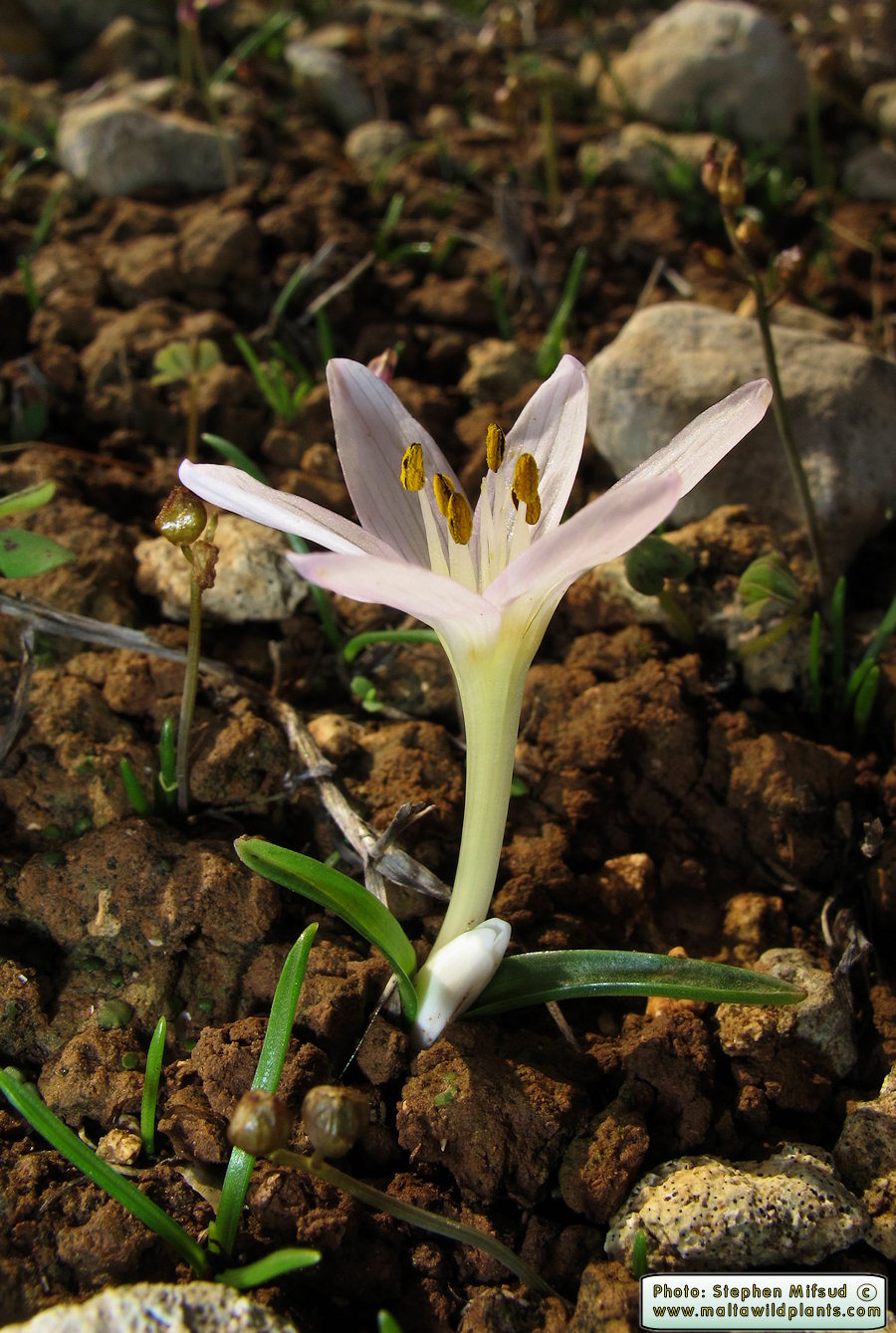
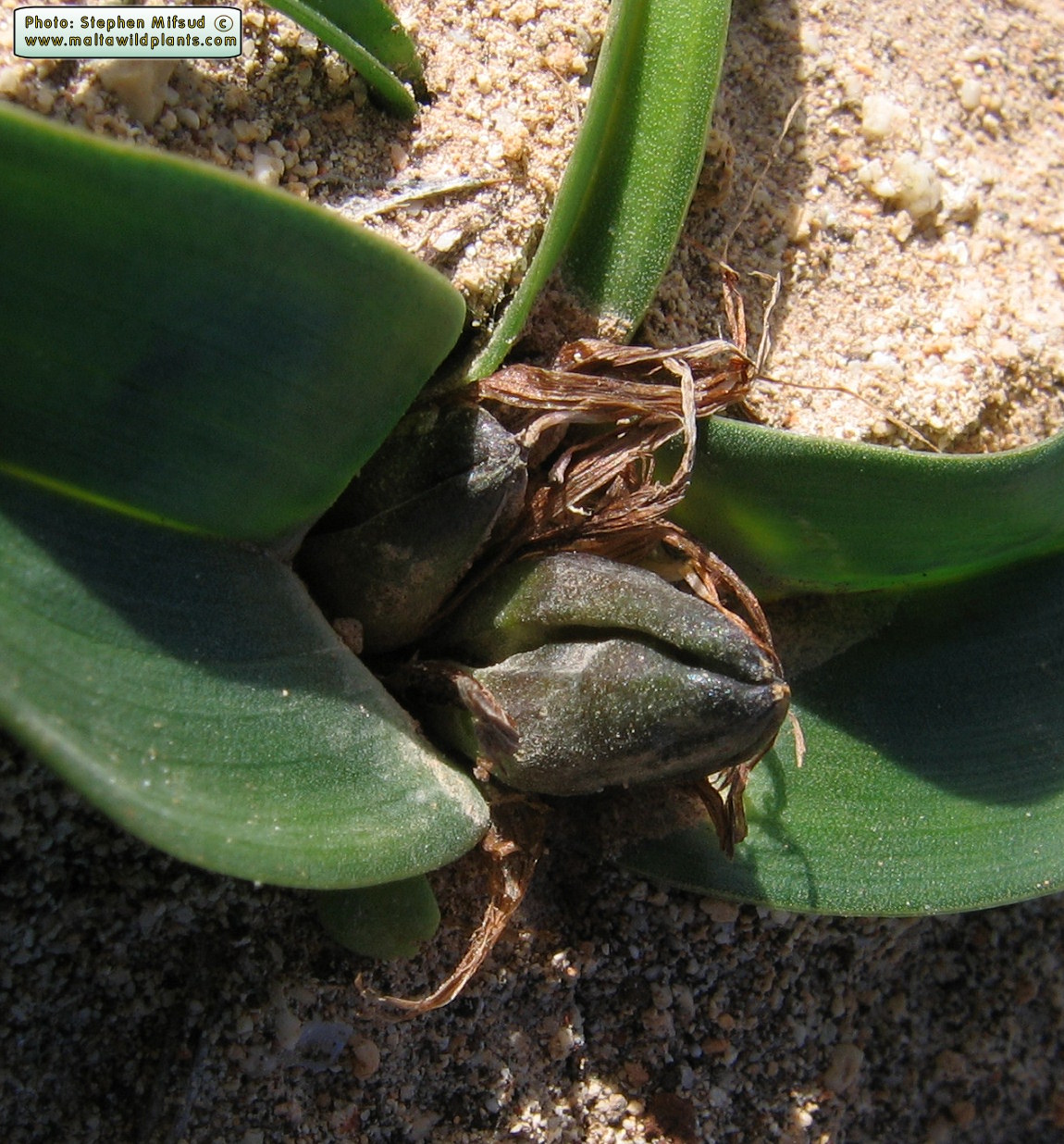
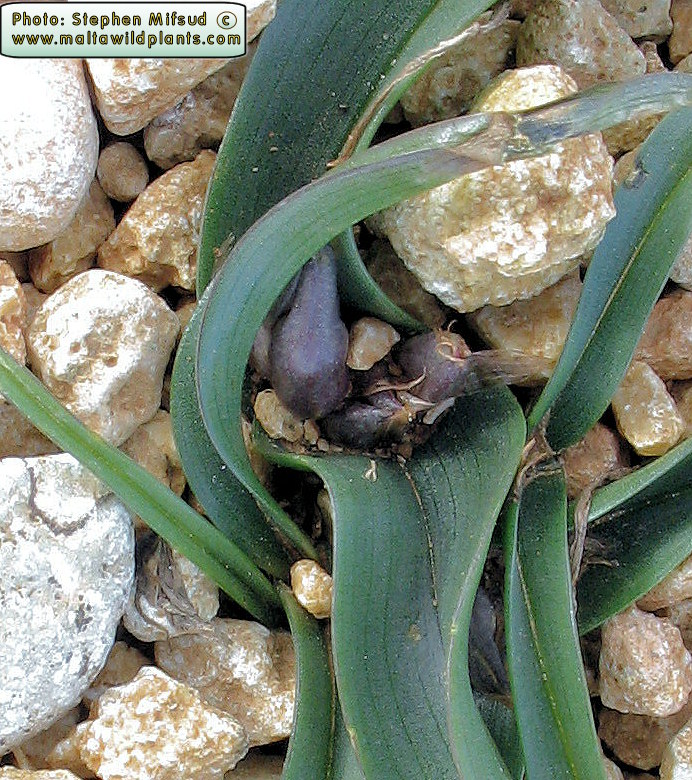
The seeds of this plant is practically near to impossible to collect in the wild. The styles of the flower run down through the elongated hollowed white flower tube down to the ovary which lies few centimetres below or at soil level. In some Cochlicum species (eg: C. autumnale) the fruit emerges up from soil level, while in others it remains burried or at soil level in situ. It is not yet certain where the fruit capsule and seeds of C.cupanii are found. In any case when the fruit is ripe, the leaves would have already been wilted and the soil would be covered by other vegetation. Localizing the fruit of the wild plant in situ would hence be very difficult. [SM]
Varieties and hybridization in the wild
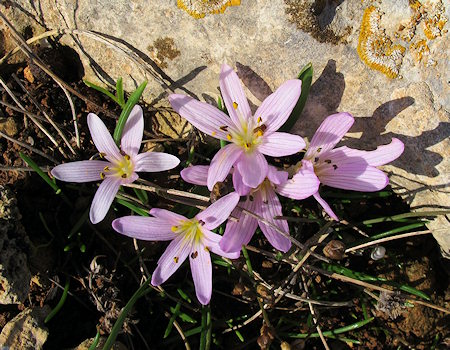
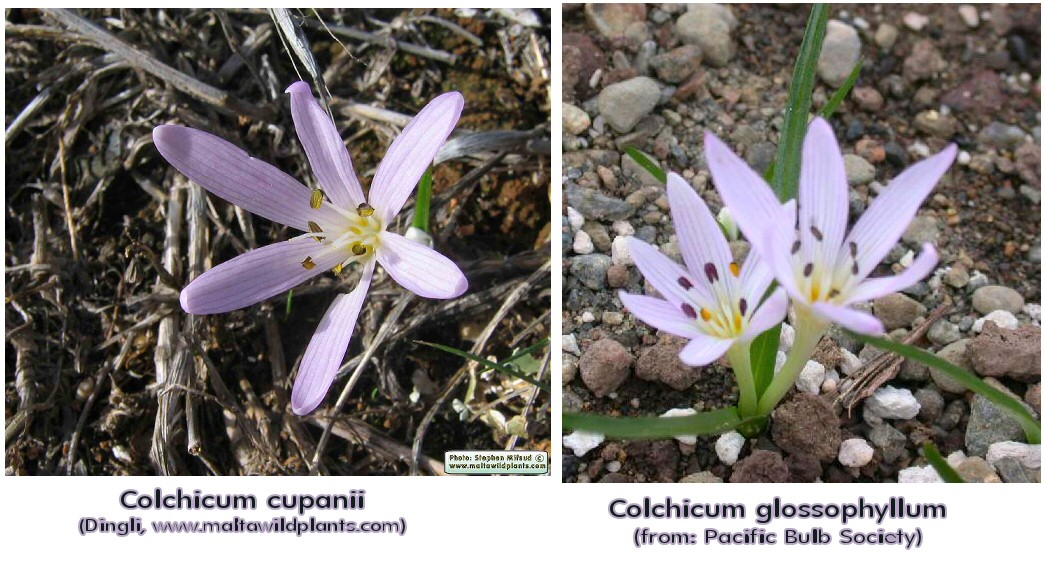
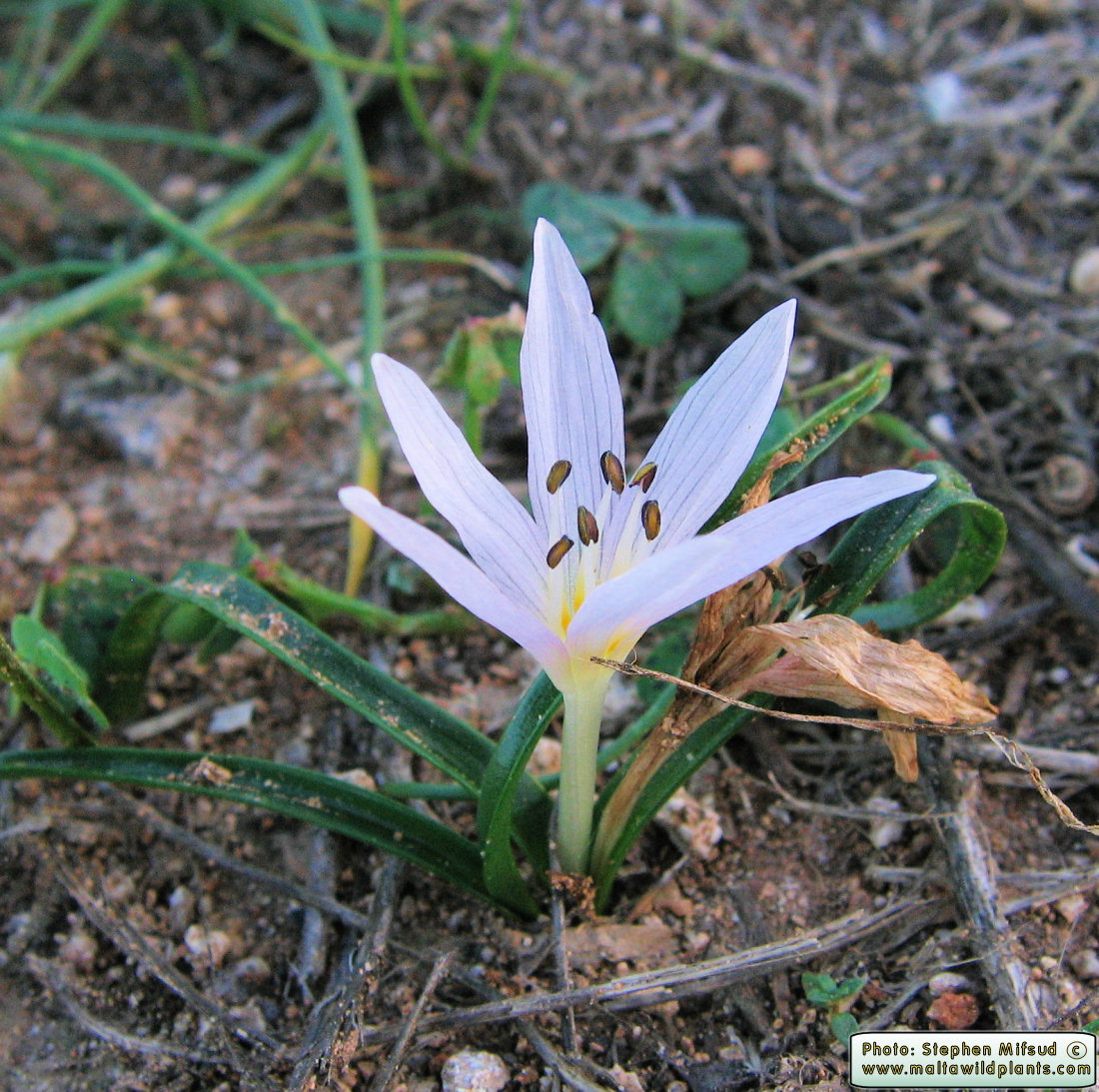
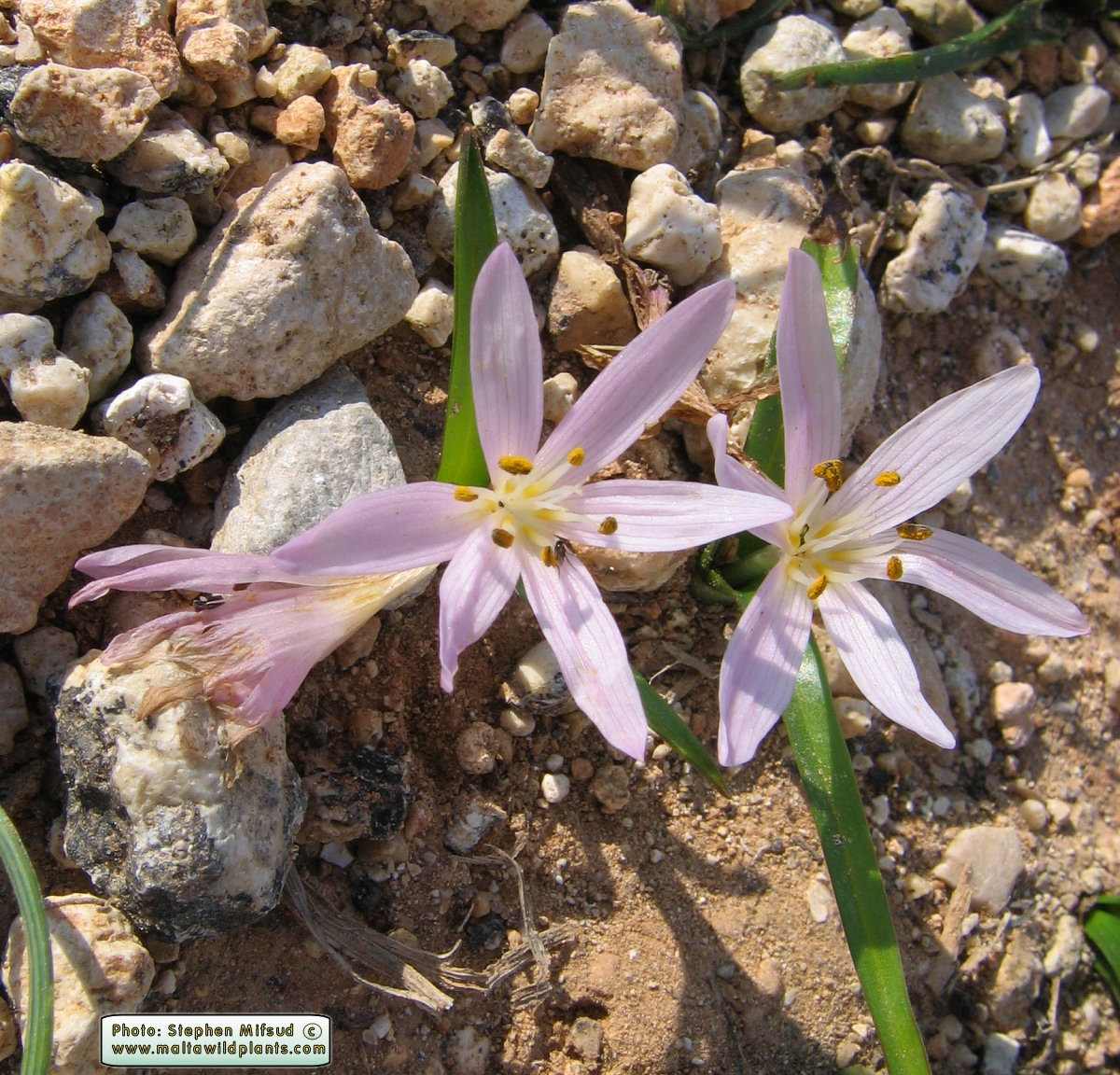
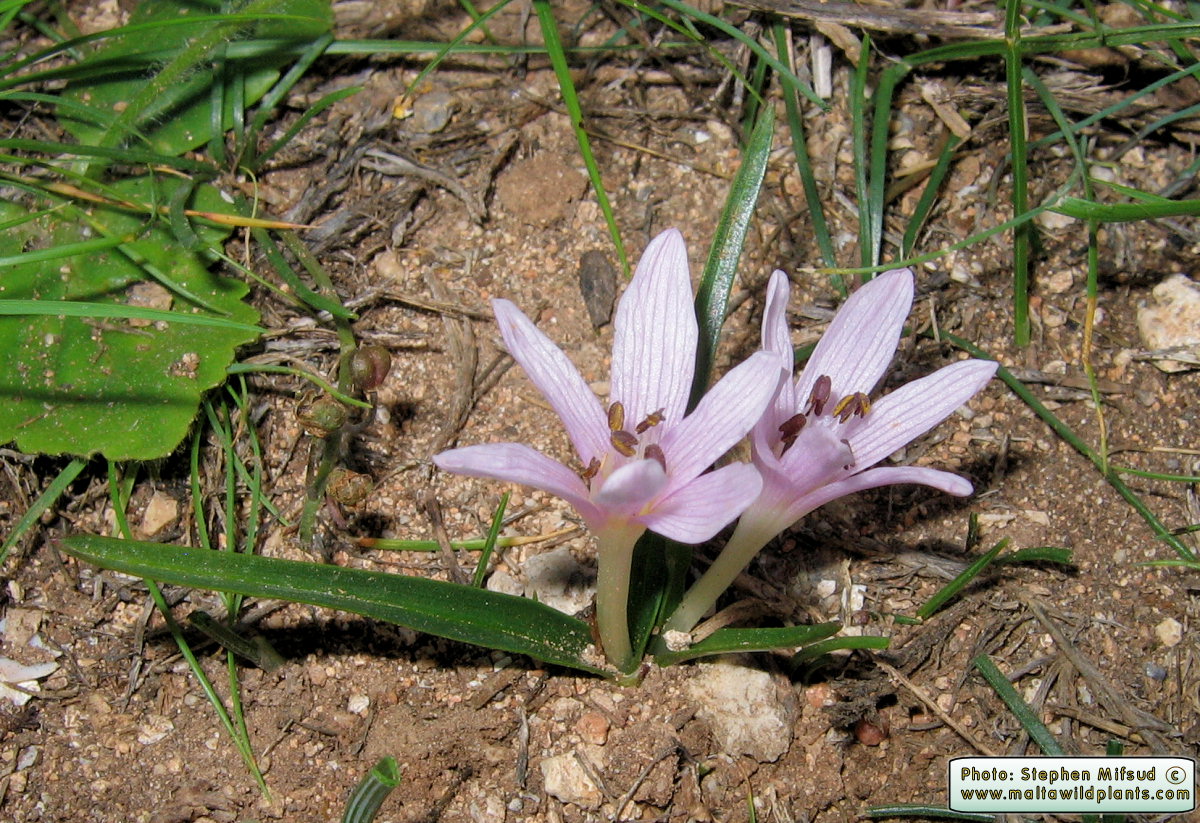
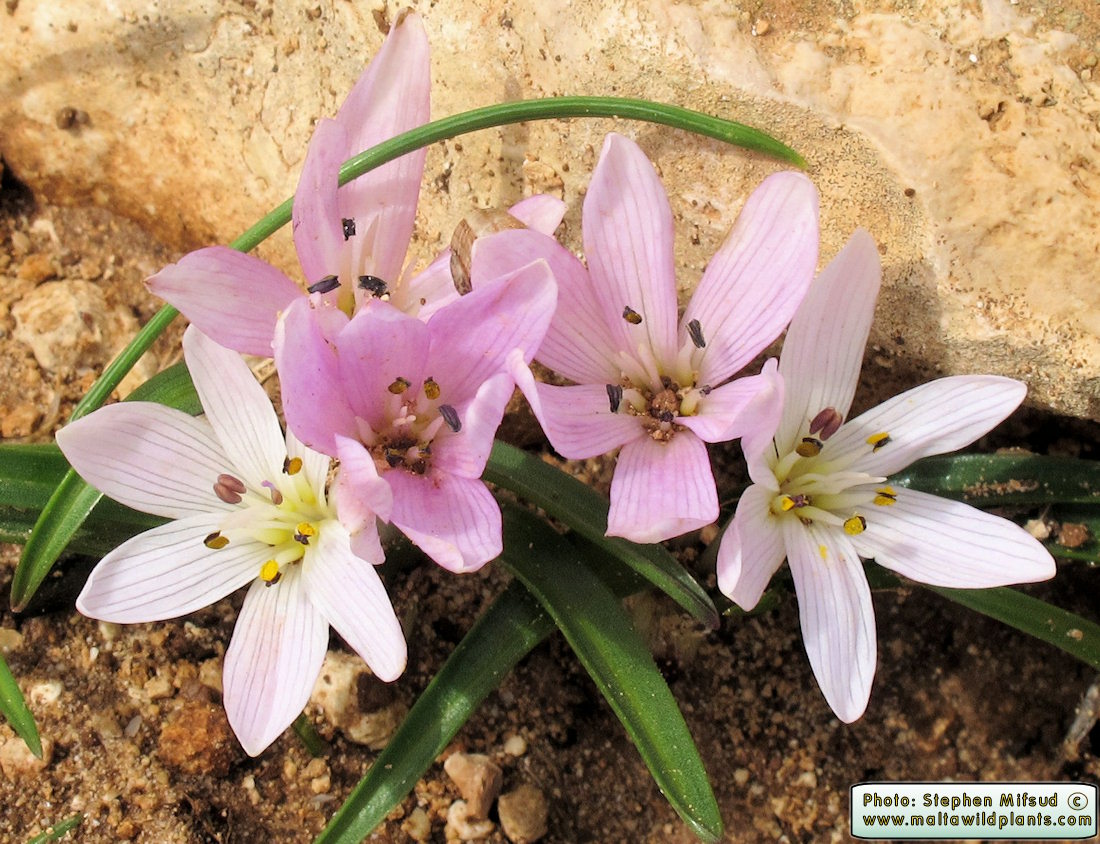
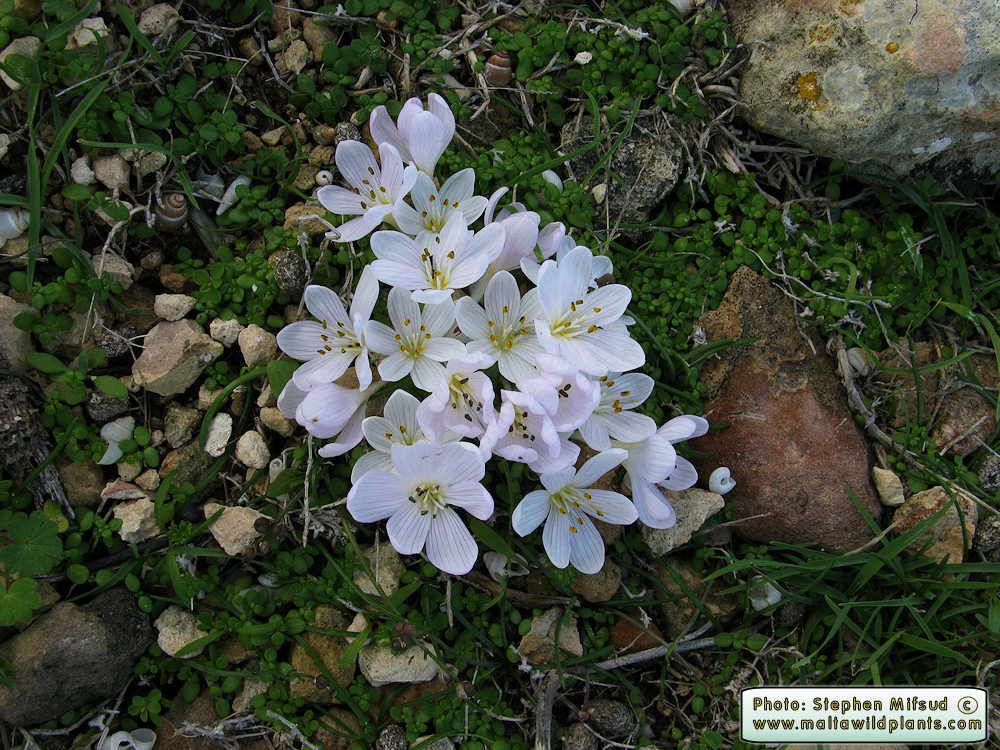
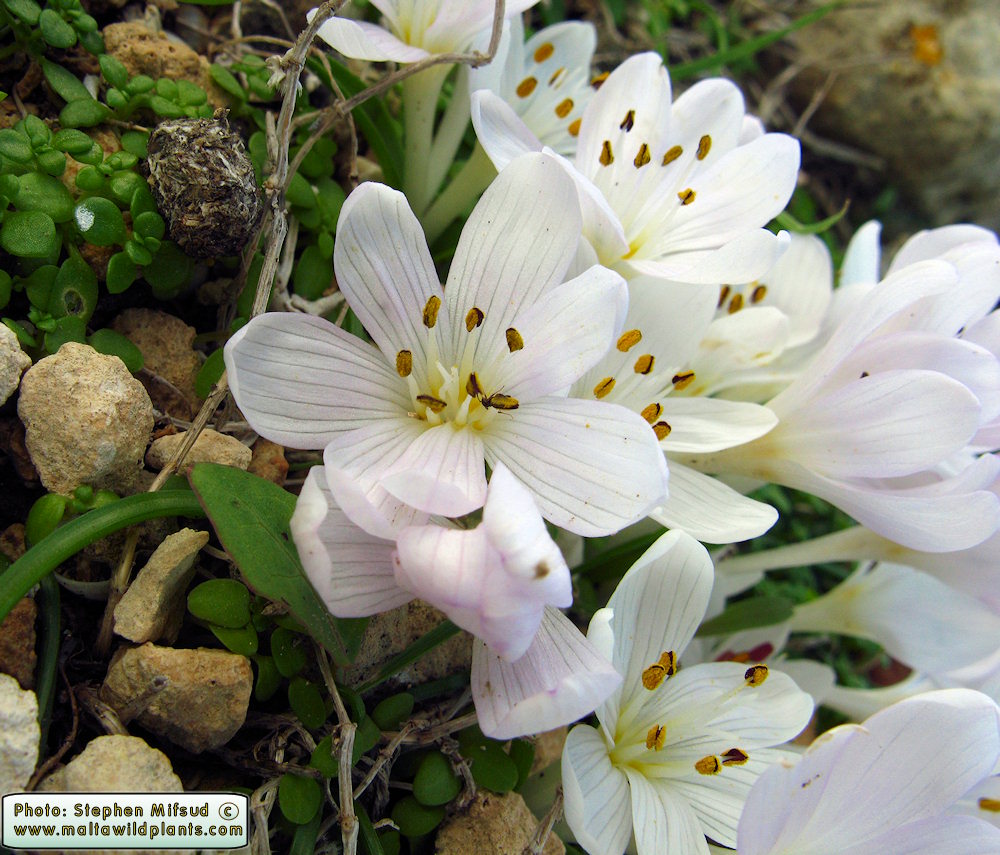
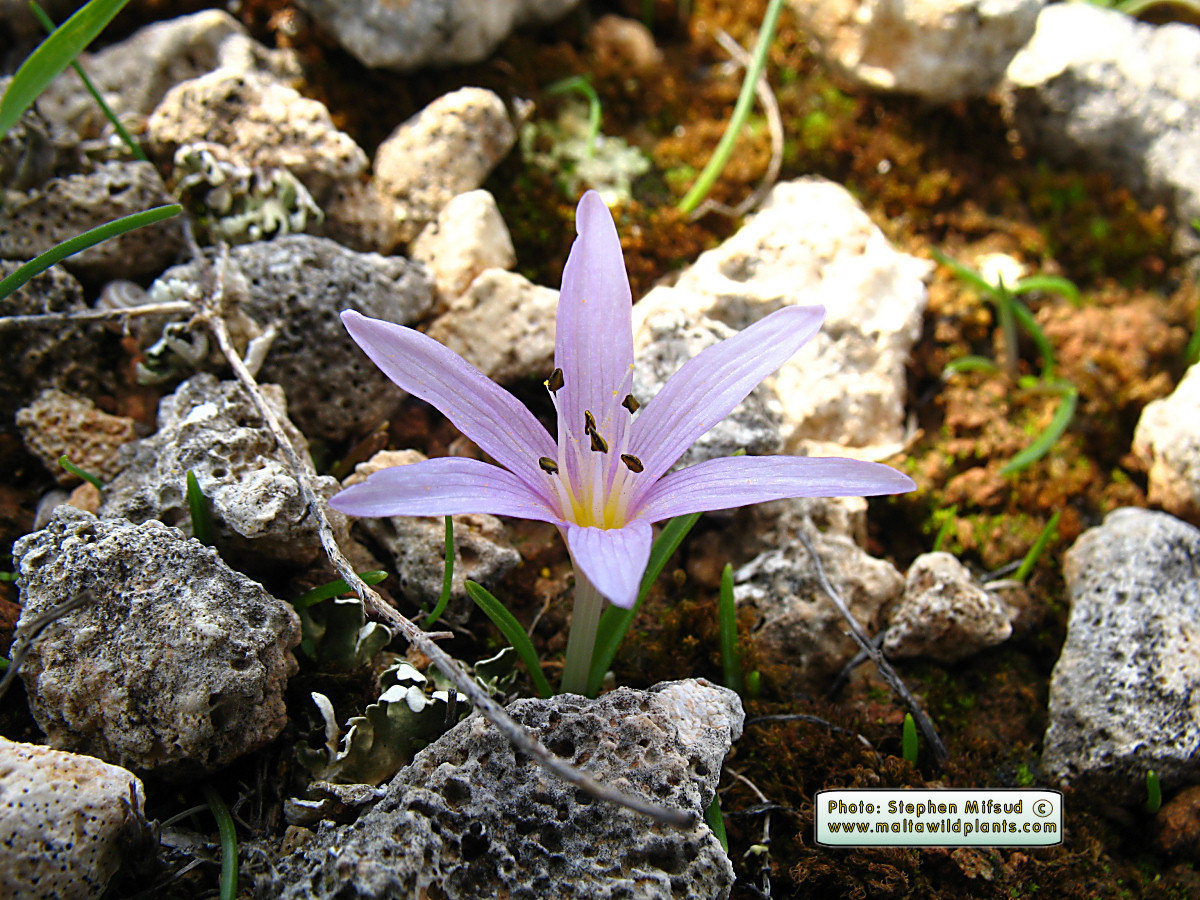
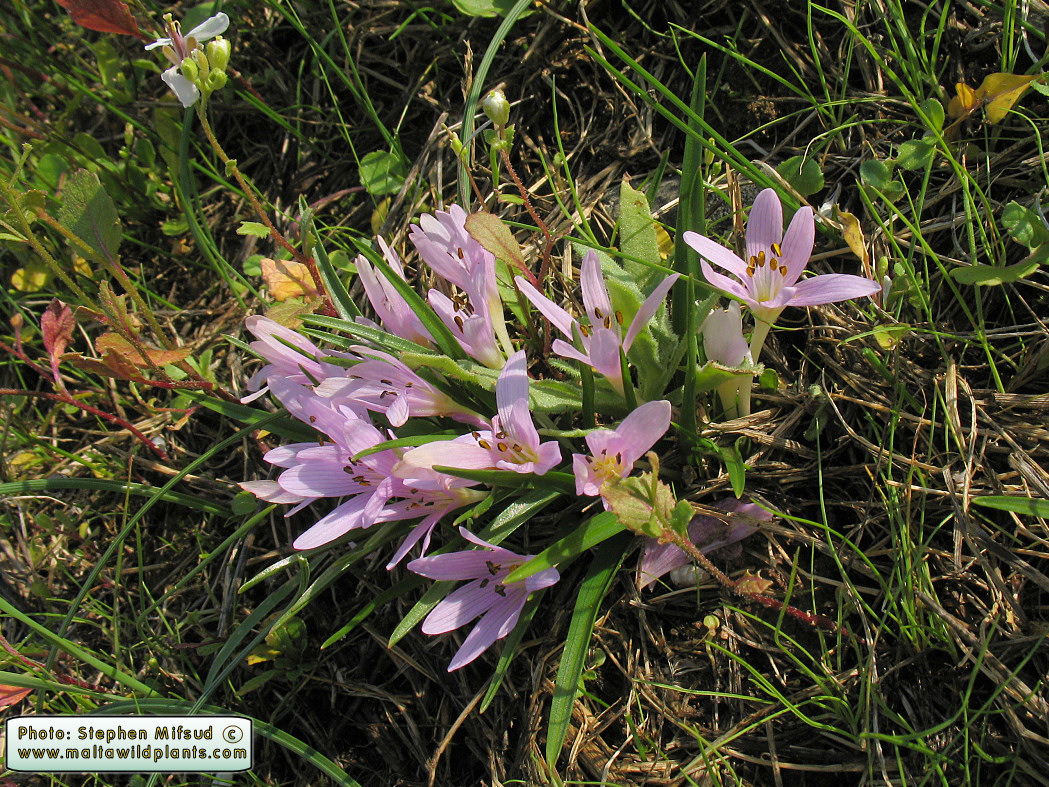
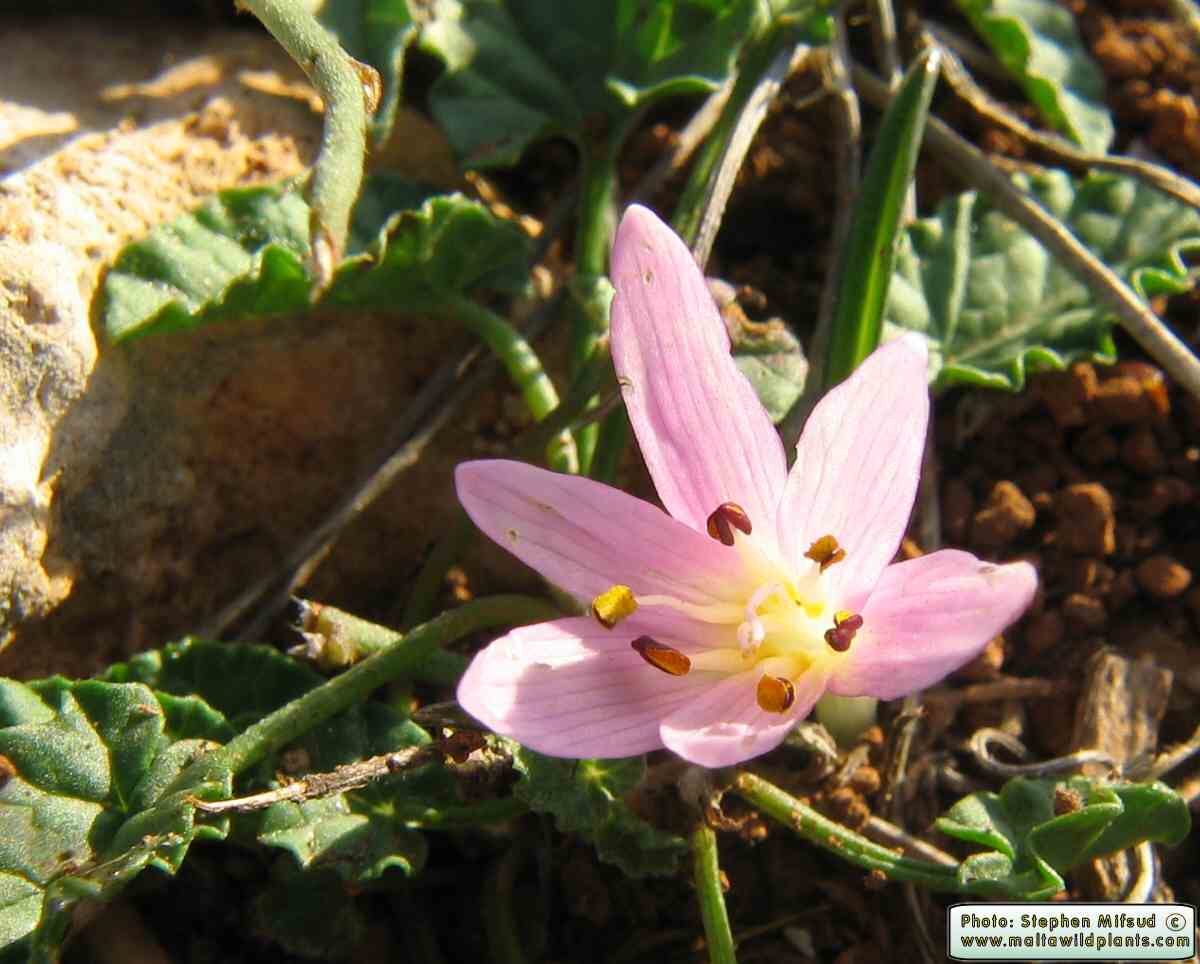
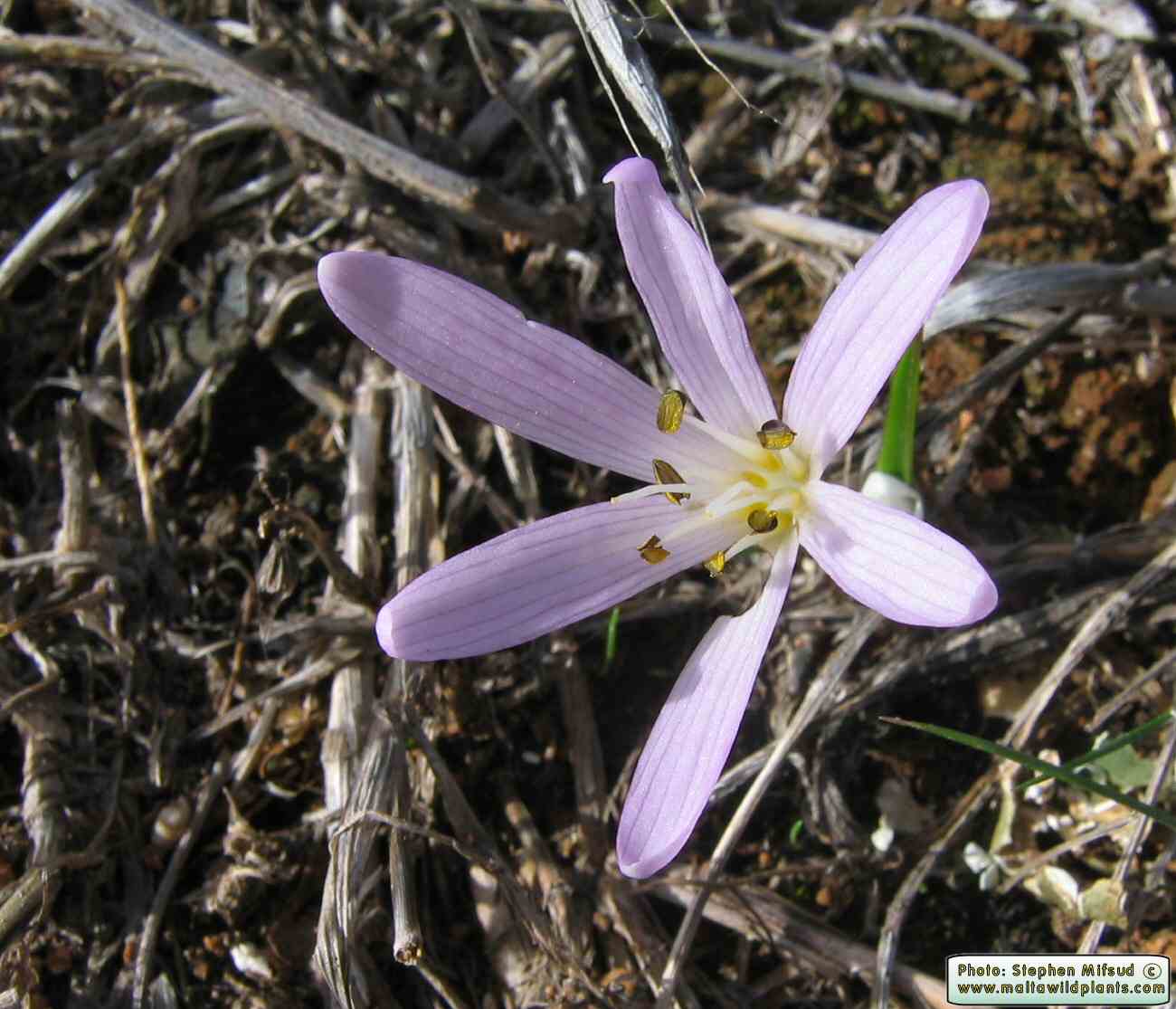
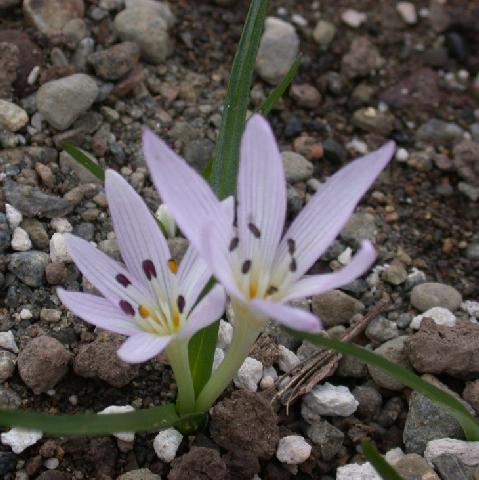
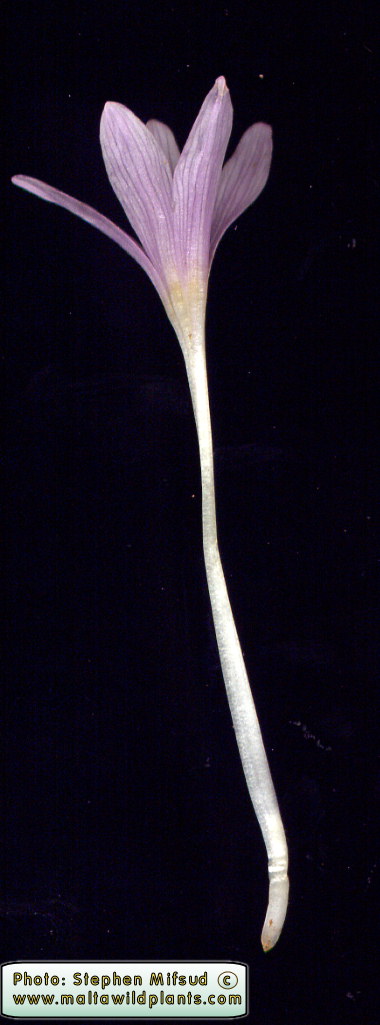
Colchicum species are well known for its hybridization between different species. There is also plenty of varieties and some species maybe are just natural hybrids and varieties occuring in the wild. This might be the case also in Malta. Although no botanical research have been done, the phenotype of some flowers is like between two extremes. Also some flowers look as to belong to another described species. This photo (click here) consists of 2 flowers - one is a flower described as C.cupanii found in Dingli. It has very similar appearance to the other photo - found on Pacific Bulb Society [WWW-84] - which is described as Colchicum glossophyllum. The author of the source states: "One authority says it is a variant of C. cupanii; however, as you can see in the photo, the leaves are much broader and longer at anthesis than is typical of C. cupanii as I have seen it. " Although photos are not ideal for comparing flowers, there is a lot of common between the 2 photos. Further botanical research of this plant would be very interesting [SM]
|
|