| |
|
 | |
| MaltaWildPlants.com by Stephen Mifsud |

|
| |
|
|
 |  |  |  |
| External Links: |
|
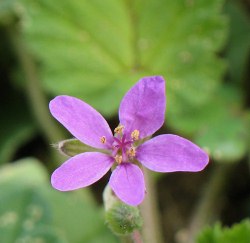
Erodium malacoides (Mallow-Leaved Stork's Bill) |
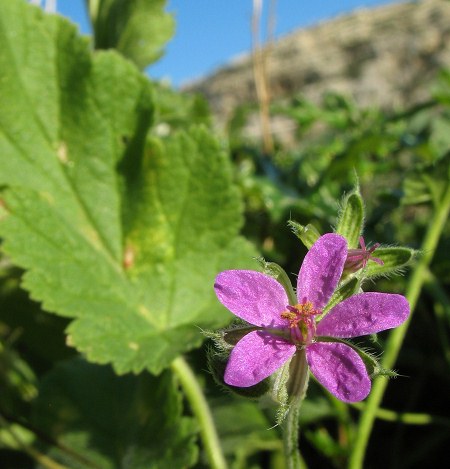
Erodium malacoides (GERANIACEAE.)
Images for this profile are taken from the Maltese Islands after year 2000. |
|
| Nomenclature and Basic Information |
Species name : |
Erodium malacoides(L.) L'Hér.
Published in Hort. Kew. 2: 415 (1789) |
Synonyms :
(basionym or principal syn.) |
|
Plant Family : |
Geraniaceae
Juss. (The Geranium Family)
14 species from the Geraniaceae family are recorded from the Maltese Islands. | English name(s) : | Mallow-Leaved Stork's Bill, Glandular Stork's Bill, Mediterranean Stork's Bill |
Maltese name(s) : |
Moxt |
Status for Malta : |
Indigenous. Present on the Maltese islands before man |
Frequency : |
Very Common Common Frequent Scarce Rare Very rare Extinct |
Growth form : |
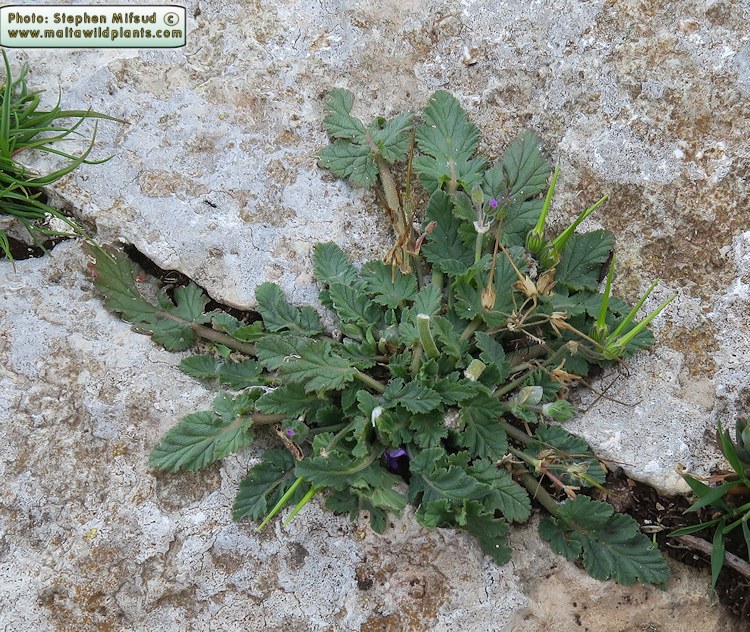
Raunkiaer lifeform [info]: THEROPHYTE ( annual plants, herbaceous )
Germination [info]: Dicotyledon |
Legal Protection : |
Not legally protected till the last update of this website (2/Mar/2022) |
Red List (1989) : |
Not listed in the Red Data Book of the Maltese Islands |
Flowering Time : |
January – June |
Colour of Flowers: |
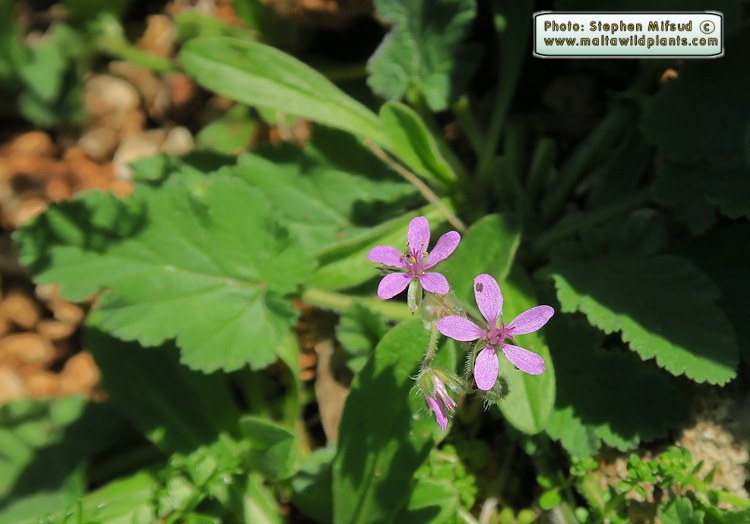
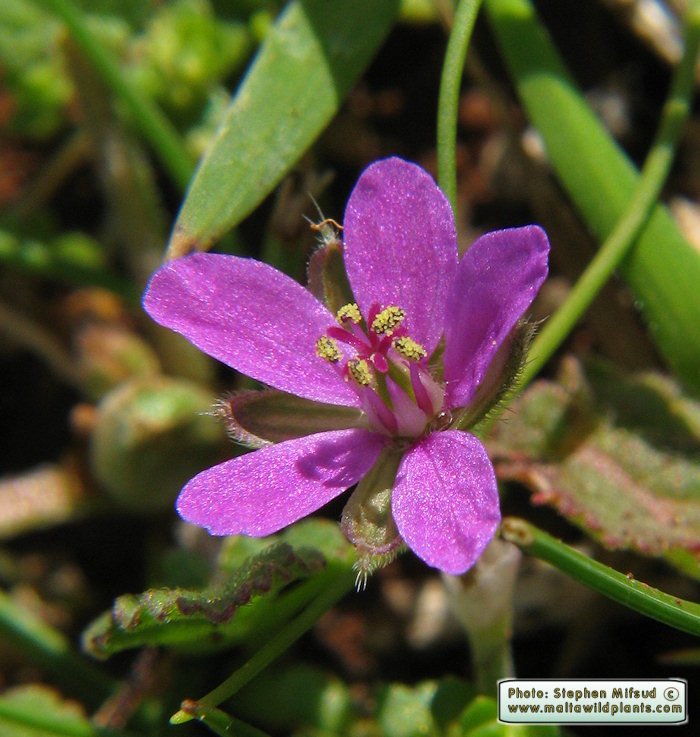
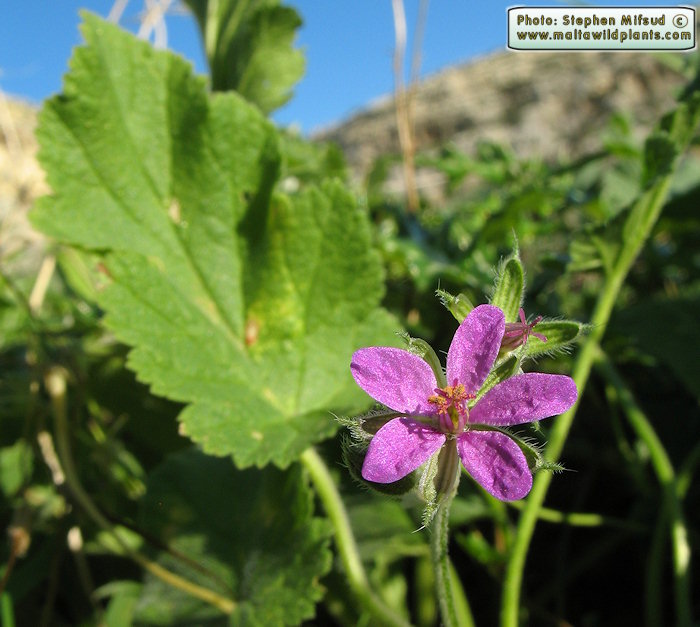
Pink or Violet |
Toxicity: |
Not particularly toxic |
Name Derivation : |
Erodium: From the Greek 'Erodios' meaning a heron alluding to the similarity of the long neck of the heron with the long beak of the fruit. Actually common names such as storksbill and cranesbill are given to most plants of Erodium and Geranium. (Greek origin )
malacoides: Derived from 'malakos' meaning soft, smooth or mucilaginous and it refers to the soft texture of the leaves. (Greek origin )
|
Planting in rural areas : |
Can be planted in rural areas according to ERA Guidelines |
|
|
Description, Habitat and Distribution | |
Habitat in Europe: |
Dry, open habitats. | |
Preferred habitat in Malta: |
Different habitats such as fields, valleys, wasteland, roadsides etc. | |
Botanical Description: |
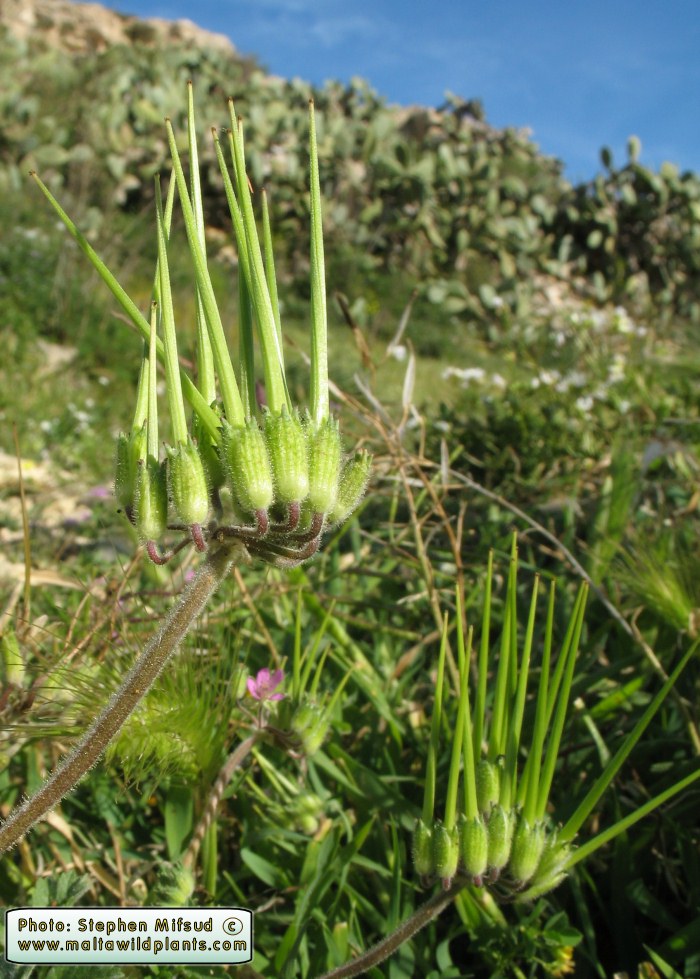
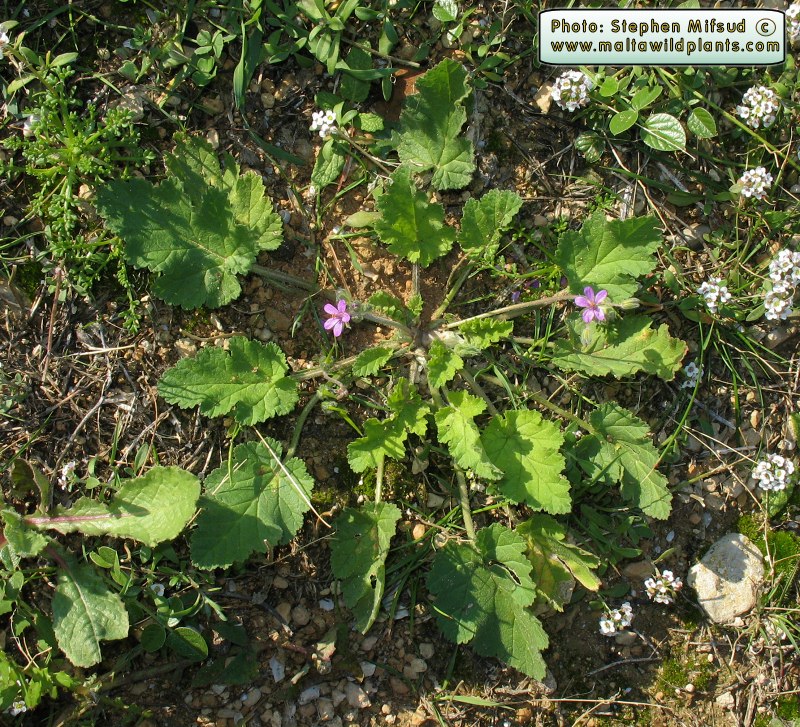
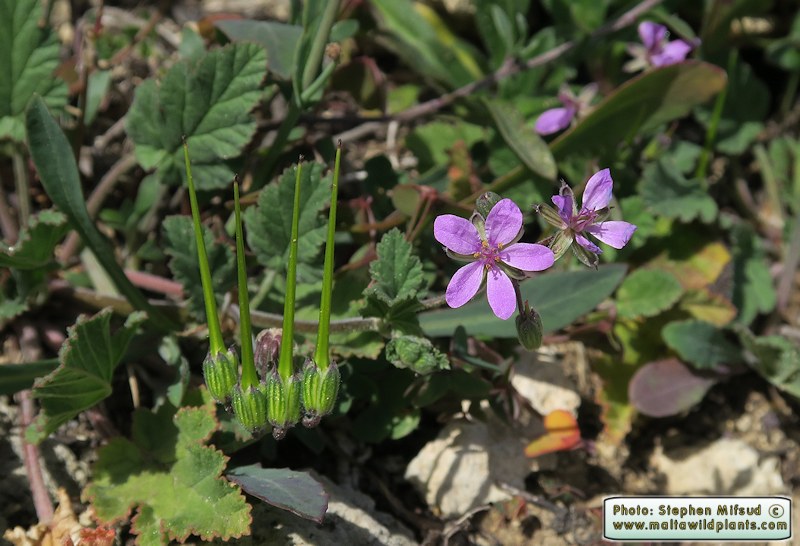
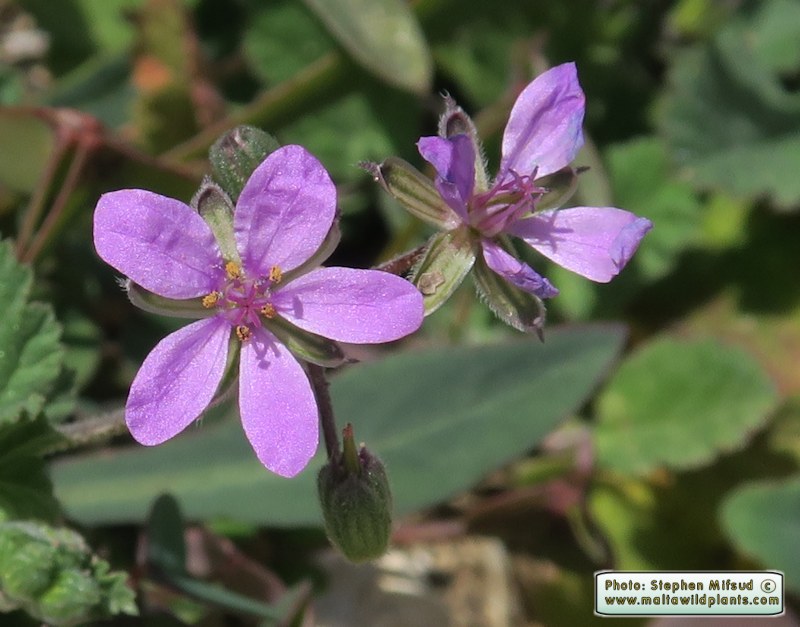
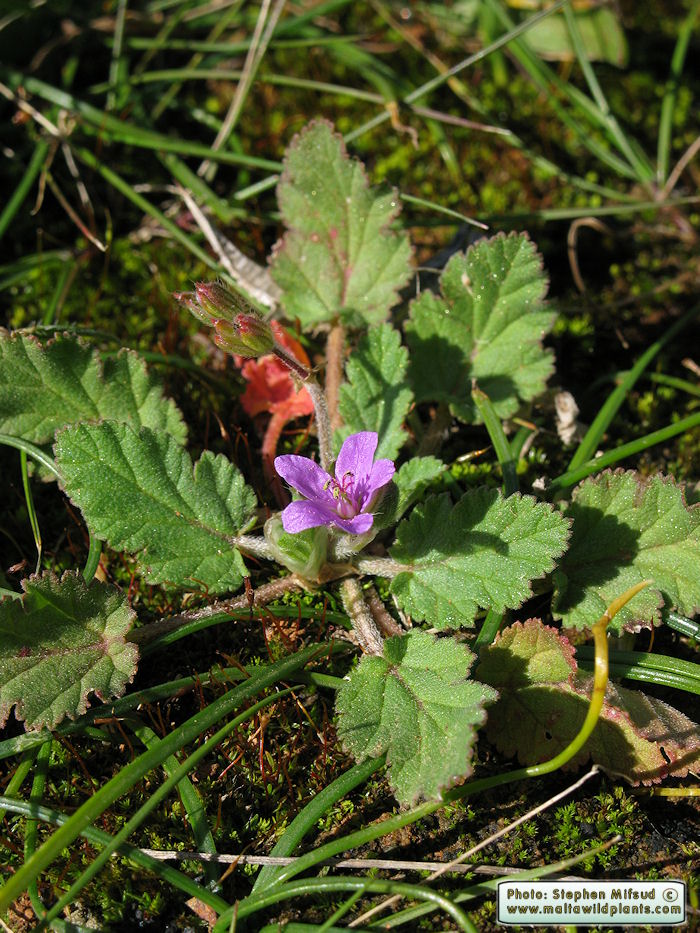
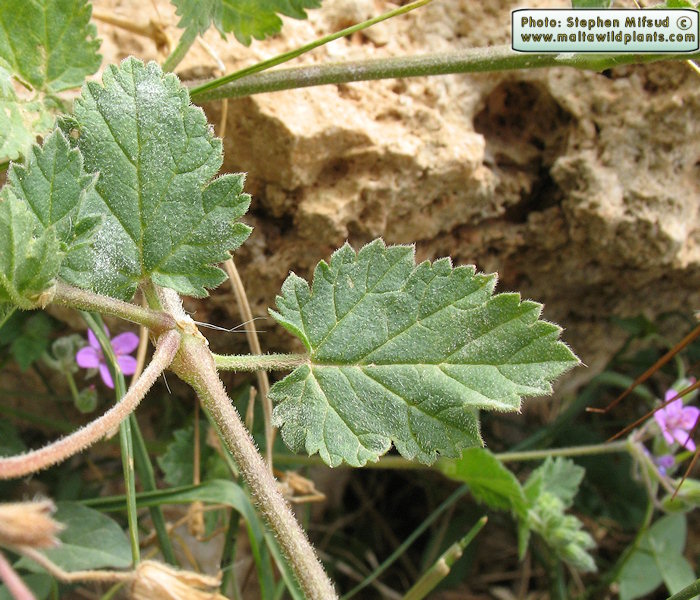
Annual or biennial; stems (3-)10-60 cm, with deflexed hairs, often glandular. Leaves 2-10 x 1-5 cm, ovate to oblong, cordate, dentate, sometimes pinnatifid or 3-lobed. Umbels with 3-7 flowers; bracts several, ovate-orbicular, often hairy, whitish; hairs on pedicels and sepals usually glandular. Sepals 5-7 mm; petals 5-9 mm, purplish. Mericarps 5 mm, with white or brownish hairs; apical pits deep, usually glandular, with a wide, deep furrow at the base. Beak 18-35 mm. | |
Chromosome number: |
2n=40 | |
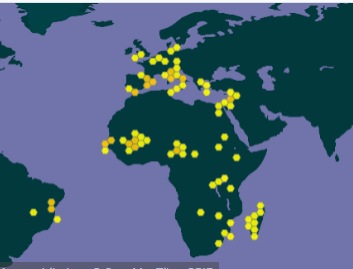
Distributional range: |
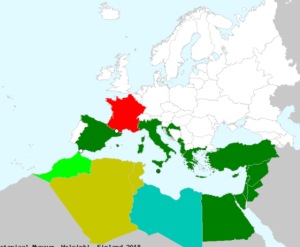
S. Europe, extending northwards in W. France to 49° N. |
Distributional map in Europe
and the Mediterranean region (2018): |
|
Occurrences in Europe.
(from Flora Europaea pre year 1993): |
Albania, the Azores, the Balaeric Islands, Corse, Crete, France (incl. Monaco and Channel Islands but excluding Corse), Greece, Spain (incl. Andorra but excl. the Balaerics), Italy (excl. Sicily and Sardignia), ex-Jugoslavia, Portugal, Russia and former USSR, Sardinia, Sicily and/or Malta, Turkey (European part) |
Occurrences in Europe and the Mediterranean region.
(from Euro+Med Checklist, 2019)
Country codes
|
Ab AE Ag Al Az(M P S) Bl Ca(C F G H L P T) Co Cr Ct Cy Eg Ga Gr Hs(S) IJ It Li LS Lu Ma Md(D M P) Sa Si(M S) Tn Tu(A E) Uk(K) |
|
| | |







 Atlas Flora Europaea
 GBIF Distribution map